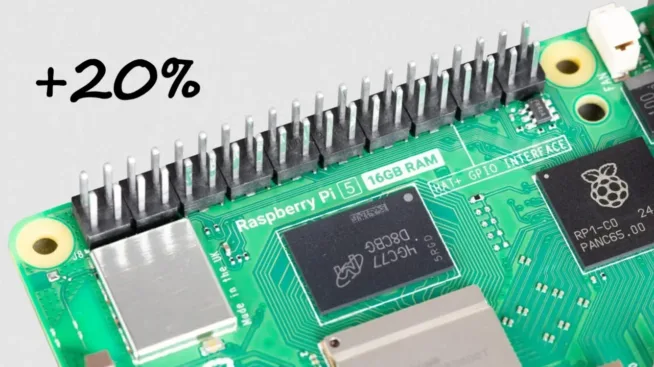
The Raspberry Pi Foundation has quietly revised the design of its well-known minicomputer Raspberry Pi 4 Model B to support two DRAM chips instead of one. This move is a direct response to the continually rising prices of memory modules due to massive demand from the AI industry — the so-called AI bubble that is driving RAM prices high.
The new Product Change Notifications confirm that the PCB of the Pi 4 has been redesigned to create a second slot for a DRAM module on the underside.
Why?
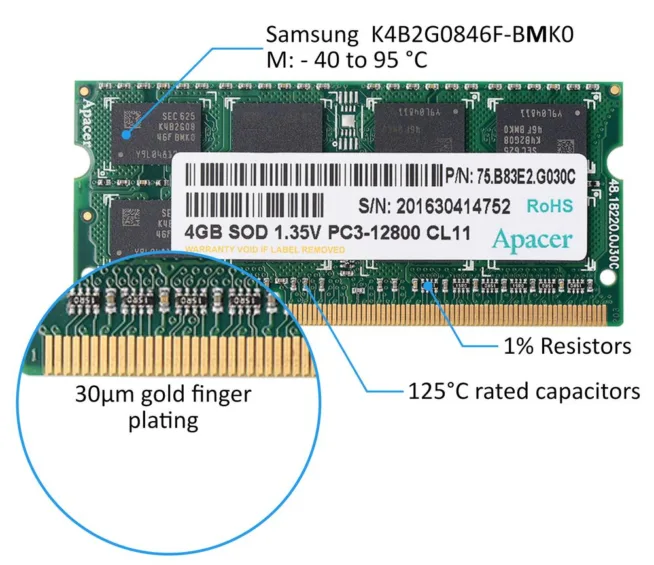
The reason is simple, albeit unconventional from a technical standpoint — Raspberry Pi is trying to gain flexibility in the memory supply chain. By supporting either one larger DRAM chip or two smaller ones, the manufacturer can use whatever is cheaper and more available at the time. The prices of memory chips have indeed dramatically increased recently due to the enormous demand for memory for AI servers and data centers.
Will it affect users?
According to Raspberry Pi software engineer, James Hughes, this change will not have any significant practical impact. Some specific scenarios may be slightly faster or slower depending on how applications access memory, but in terms of average performance, the difference will be negligible — except for exotic benchmarks.
Boards with this new design will start appearing with distributors and retailers over the next few weeks. Buyers will (most likely) not have any choice — whether they receive a unit with one or two chips will be determined by the manufacturer based on what is available and most cost-effective at the time.
What about Raspberry Pi 5?
So far, no similar change has been officially announced for the Raspberry Pi 5, but it can be expected that Raspberry Pi engineers are already working on something similar for this newer generation.