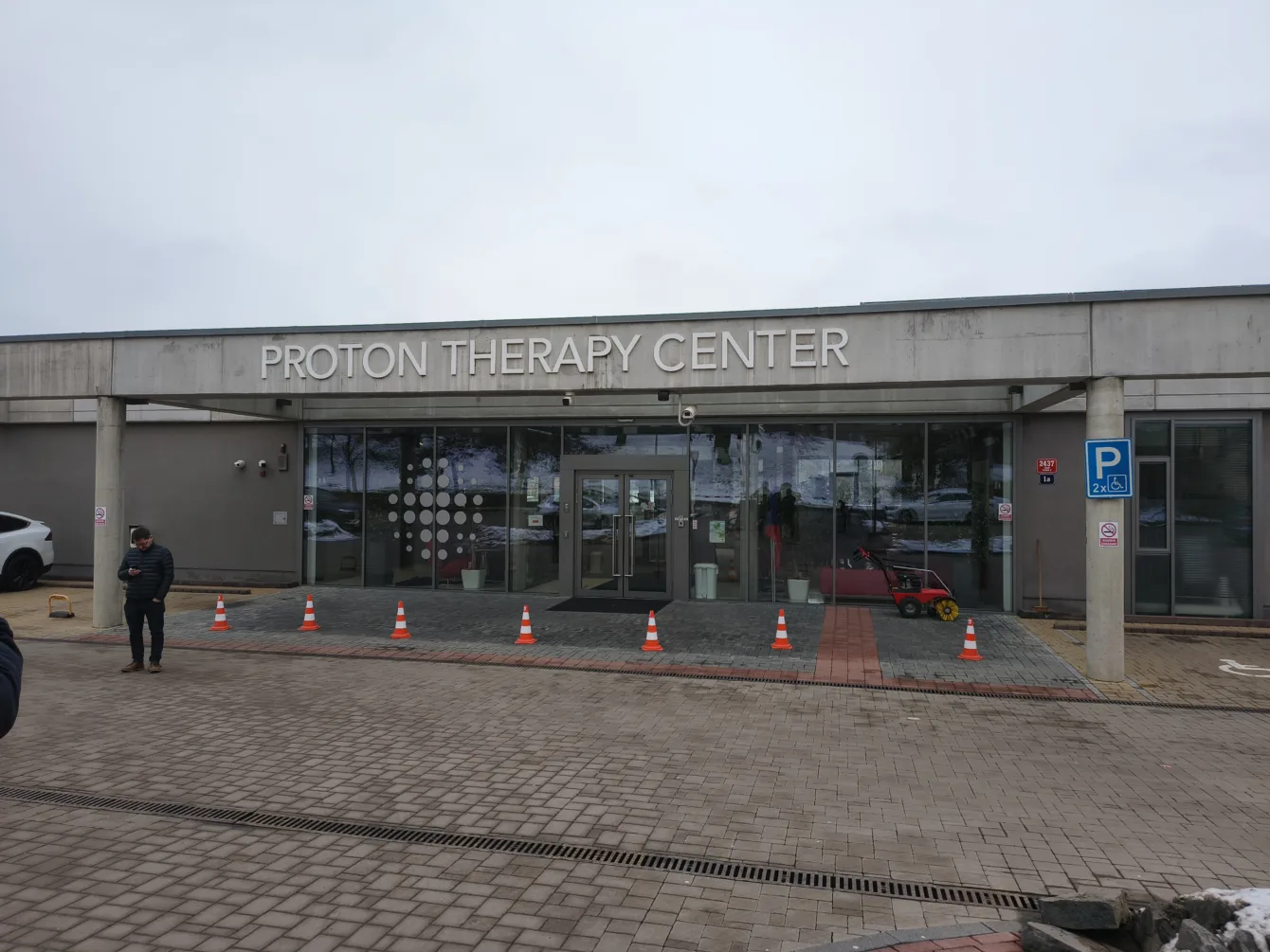
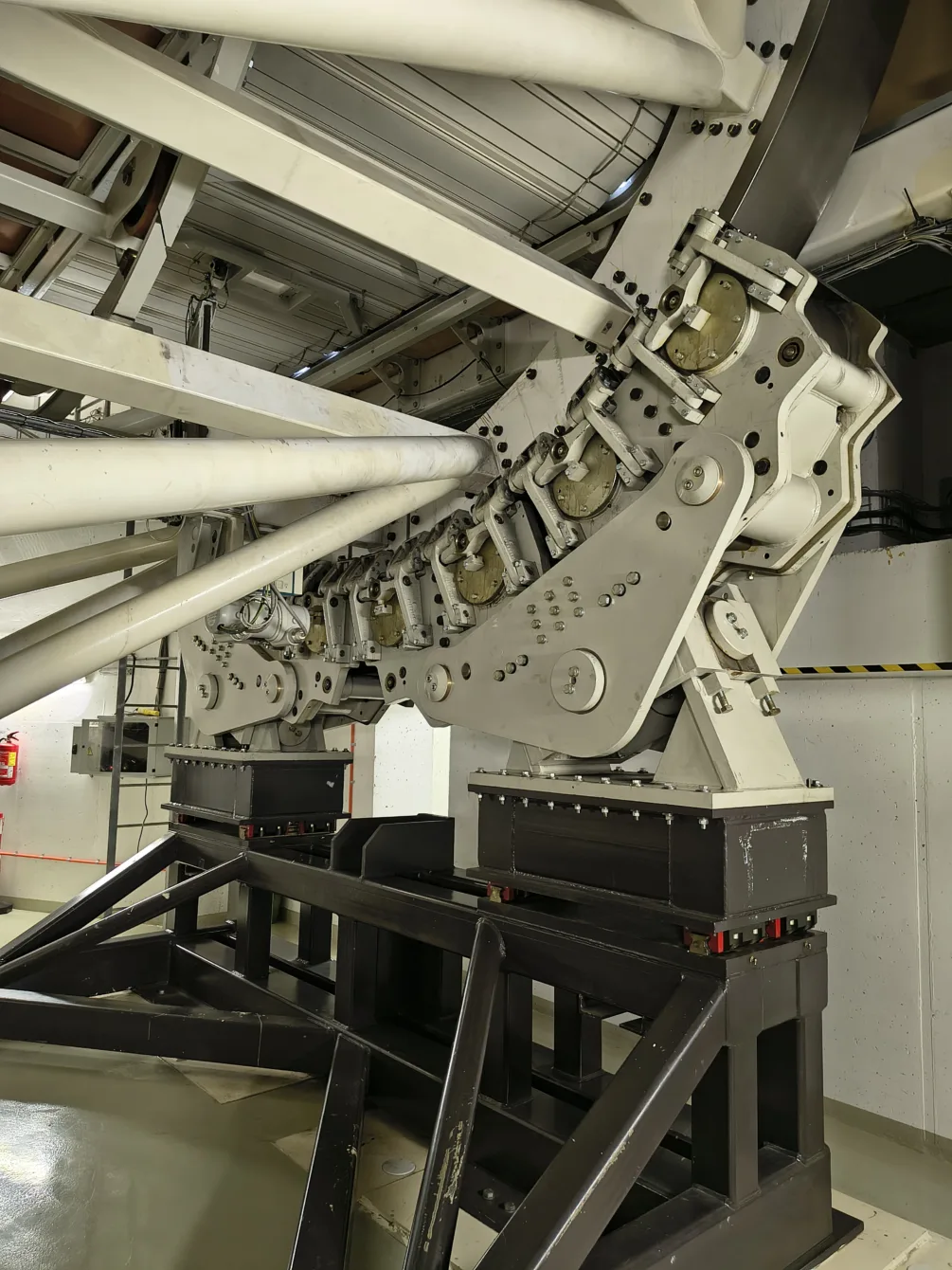
We had a unique opportunity to see the Proton Center Prague – PTC during its downtime. This allowed us to literally look into the innards of the cyclotron and the irradiation room, as well as what lies beneath it.
Thank you for the chance to visit the PTC.
About PTC
Proton Center Prague is a modern specialized center for the treatment of cancer using proton radiotherapy, located within the campus of the Faculty Hospital Bulovka in Prague 8. This method utilizes a highly precise proton beam that allows for targeted impact on the tumor with minimal damage to surrounding healthy tissues. Proton therapy is considered one of the gentlest forms of radiation and is used for both adult and pediatric patients. The center also offers diagnostic examinations such as MRI and PET/CT and collaborates with health insurance companies to cover treatment costs.
What is Proton Therapy
Proton therapy is a type of radiotherapy that uses a beam of protons instead of conventional X-ray (photon) radiation to treat tumors. Protons can deliver most of their energy precisely at a predetermined depth in the body (known as the Bragg peak), allowing them to better target the tumor while causing less damage to surrounding healthy tissue. This makes the method more precise and gentler, especially in sensitive areas and for pediatric patients.
From Cyclotron to Irradiation Room
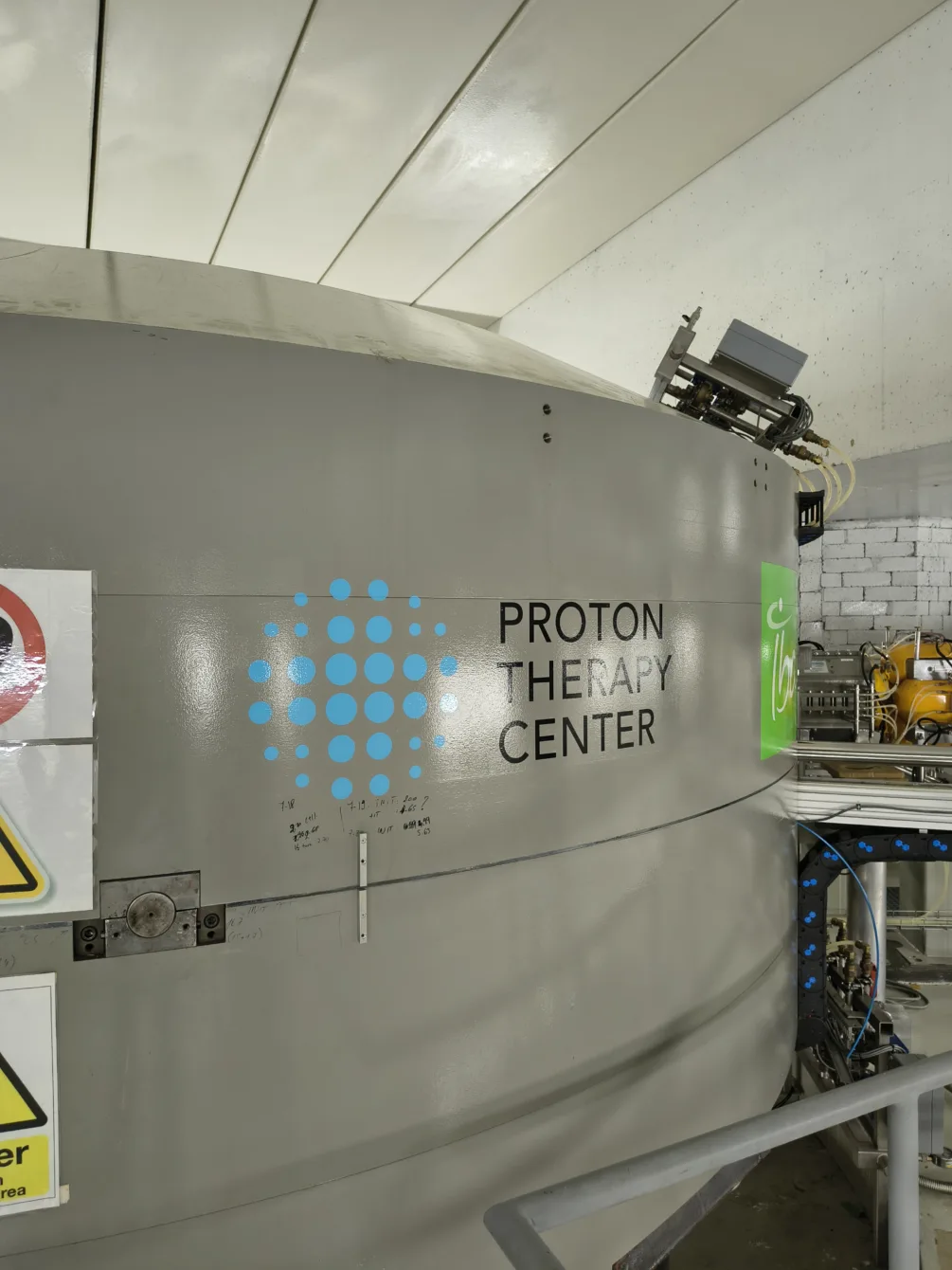
Cyclotron is a particle accelerator that serves as a source of high-energy protons in proton therapy. Using a strong magnetic field and high-frequency voltage, it spirals protons and gradually accelerates them to the required speed. The accelerated protons are then directed into the irradiation system, where they are formed into a precisely controlled therapeutic beam.
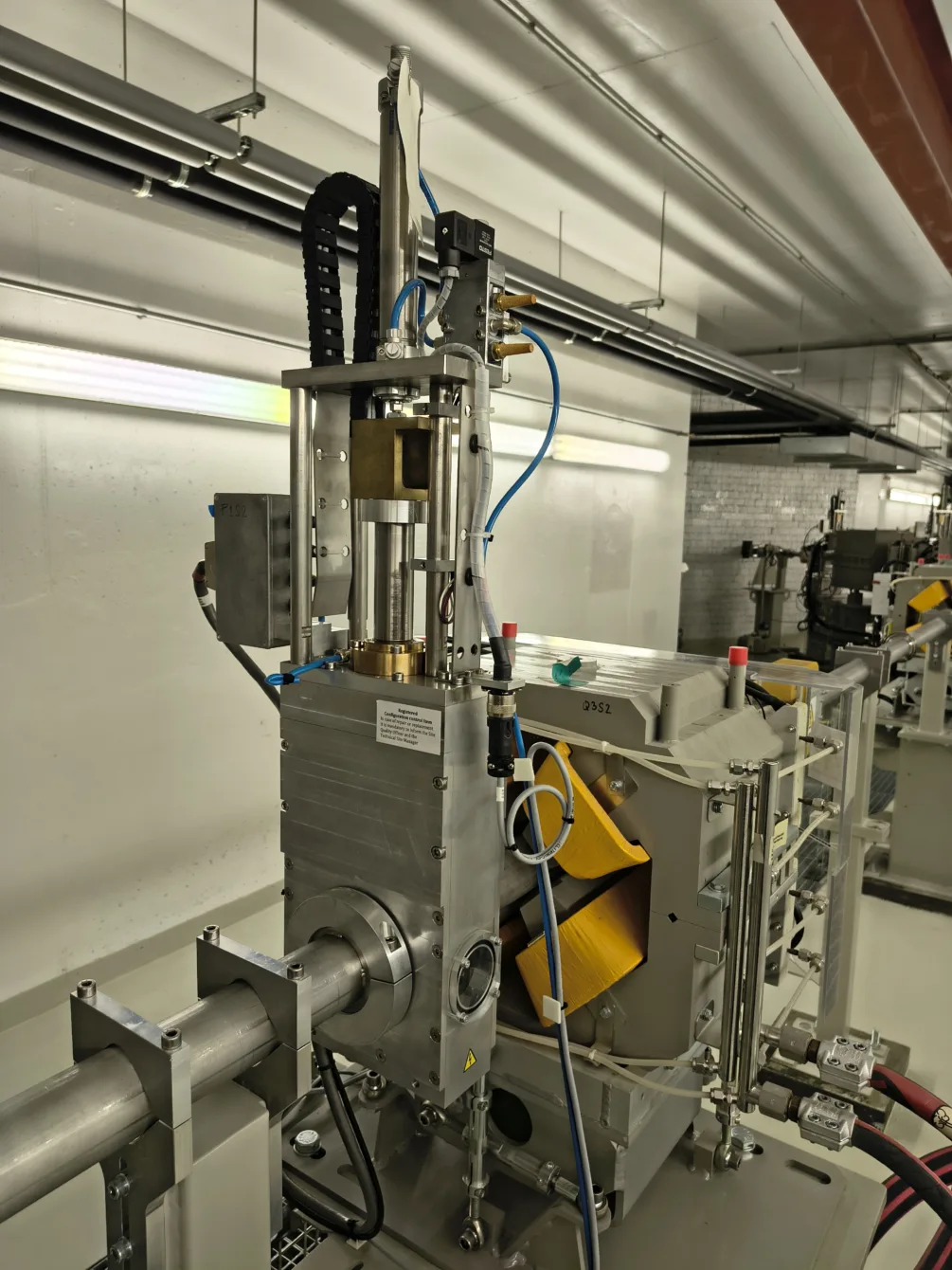
After the protons are accelerated in the cyclotron, the beam exits into the subsequent transport section, which consists of a vacuum pipe and a system of precisely controlled magnets. These bend, focus, and stabilize the beam to ensure it has the correct shape and direction.
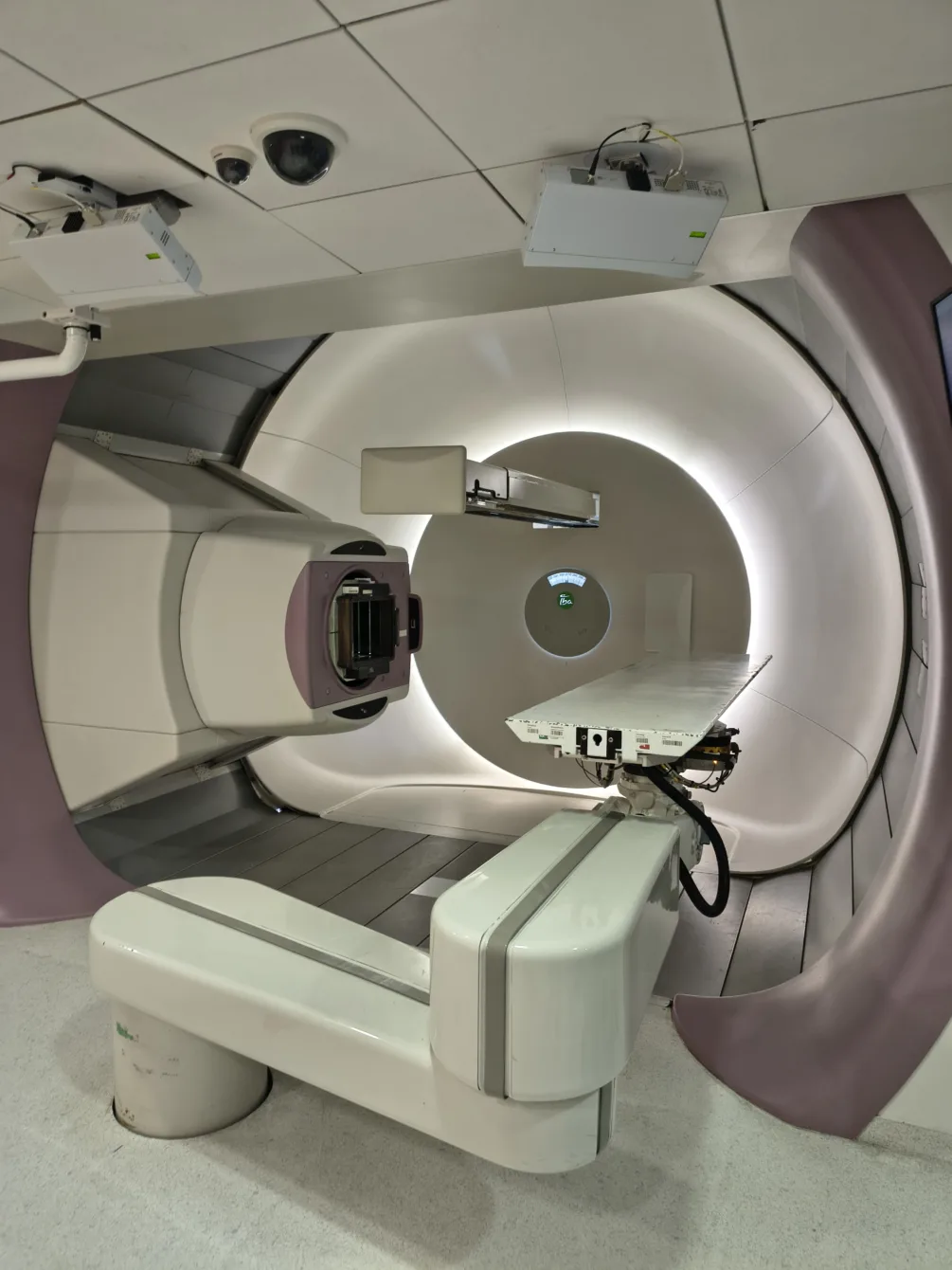
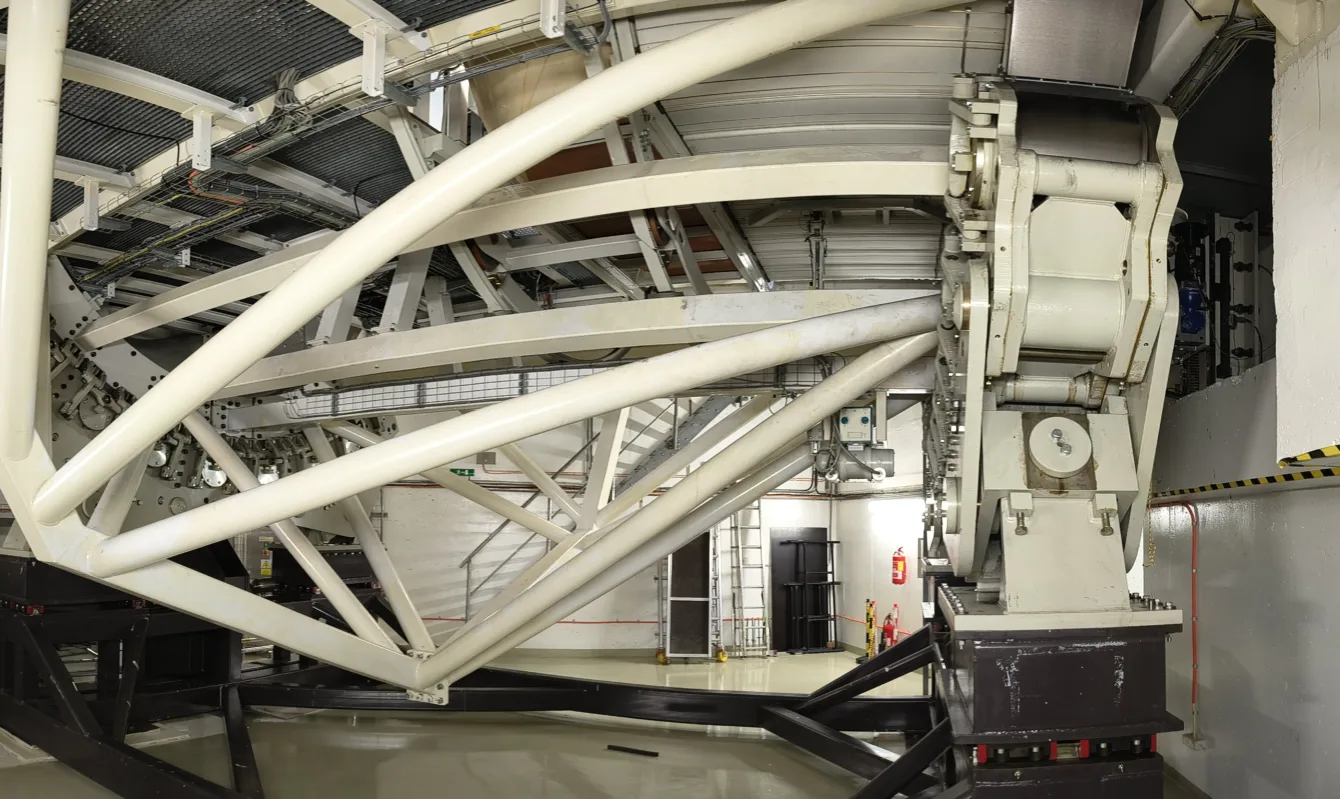
Depending on the required depth of impact in the patient’s body, its energy is adjusted using special degrading elements and filters. The prepared beam then continues to the irradiation section – either to a rotating gantry or to a fixed irradiation port. In the nozzle, the beam is finely oscillated and dosed to precisely cover the target volume of the tumor according to the treatment plan.
Photo Gallery
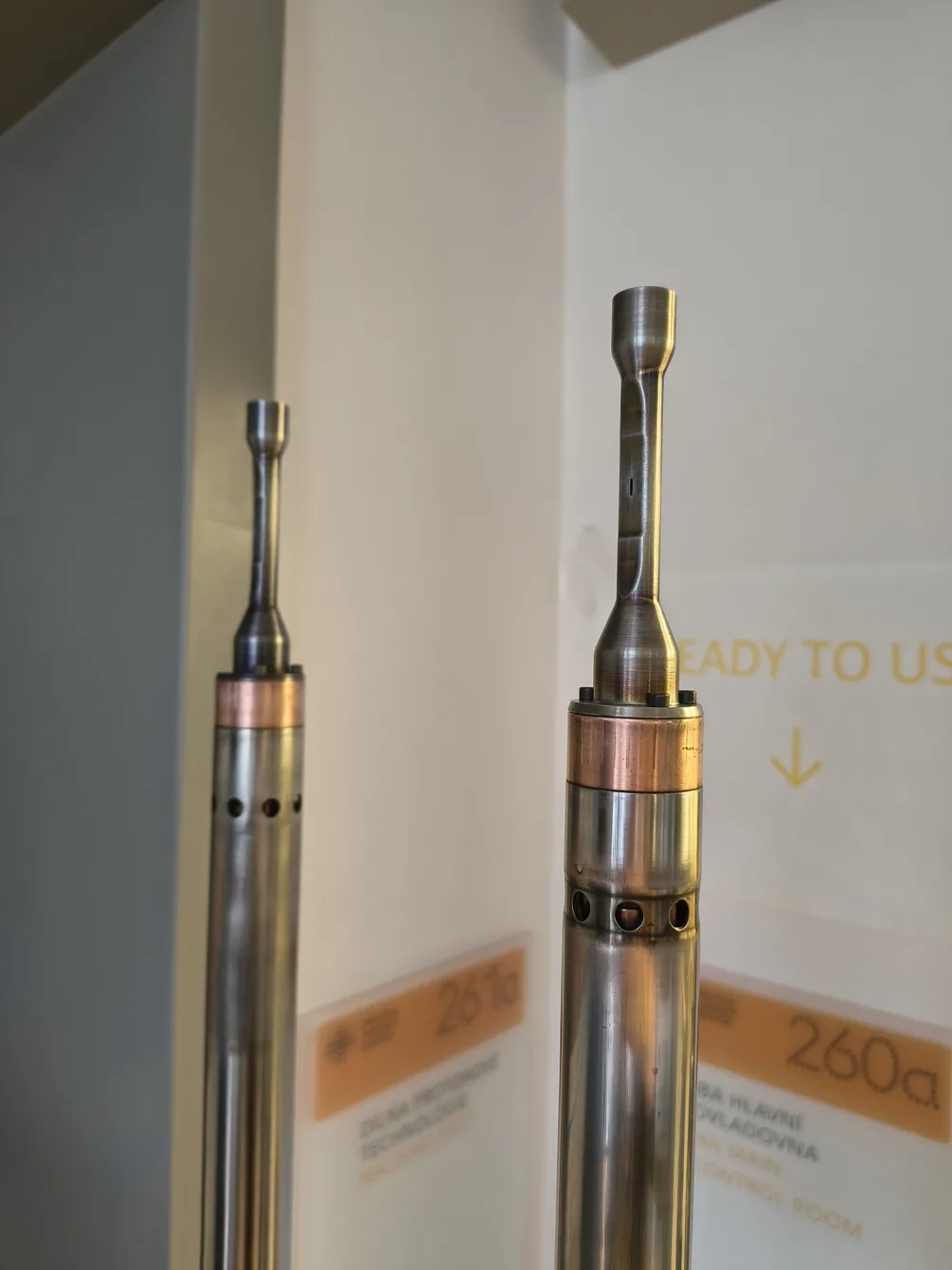

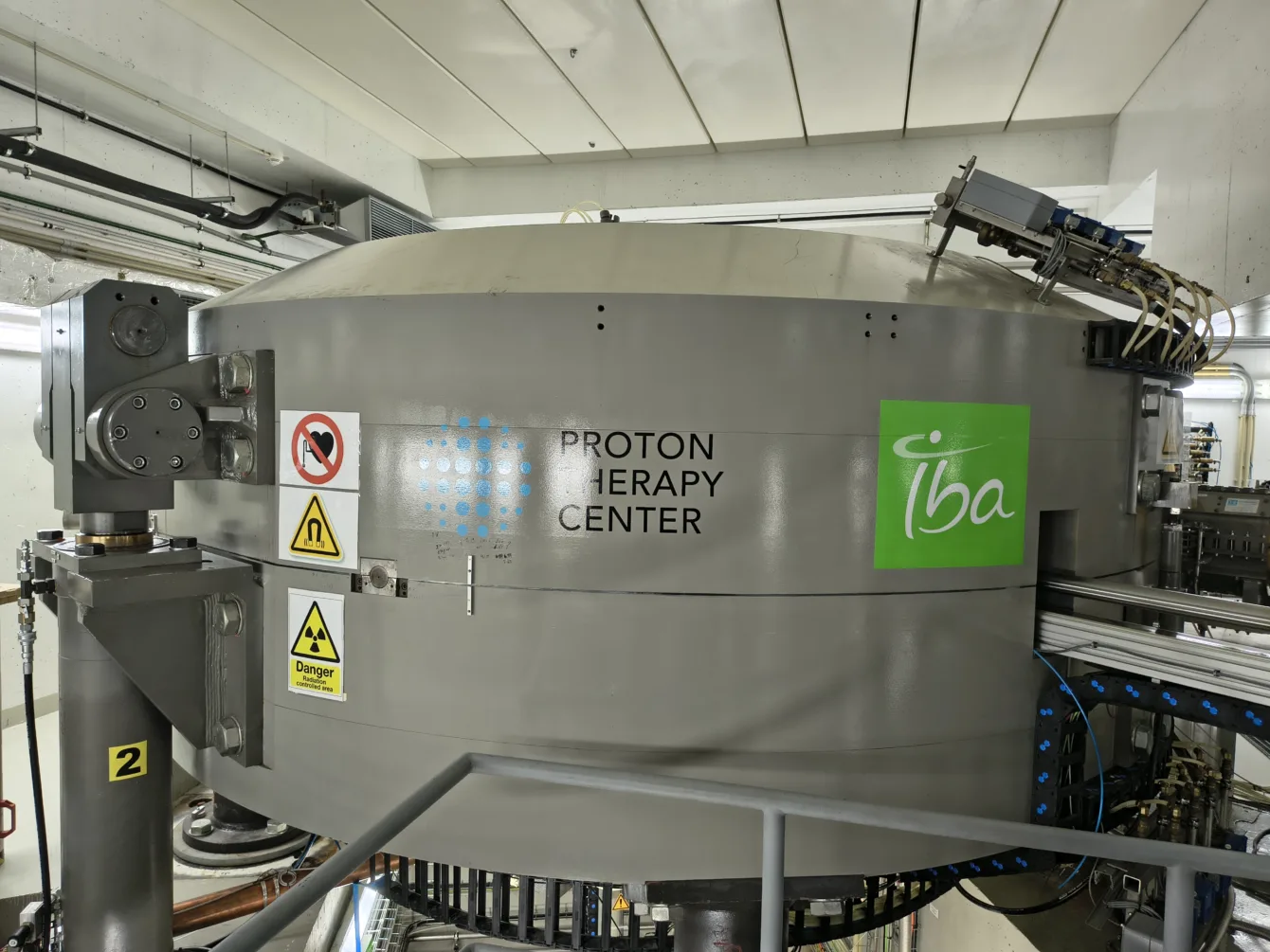
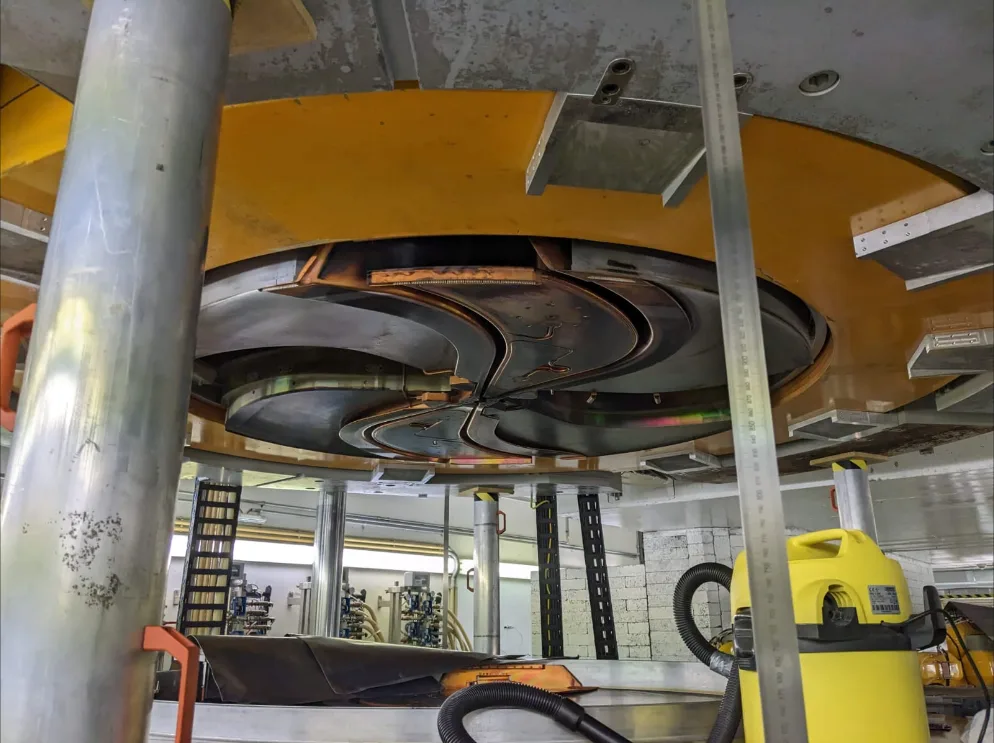
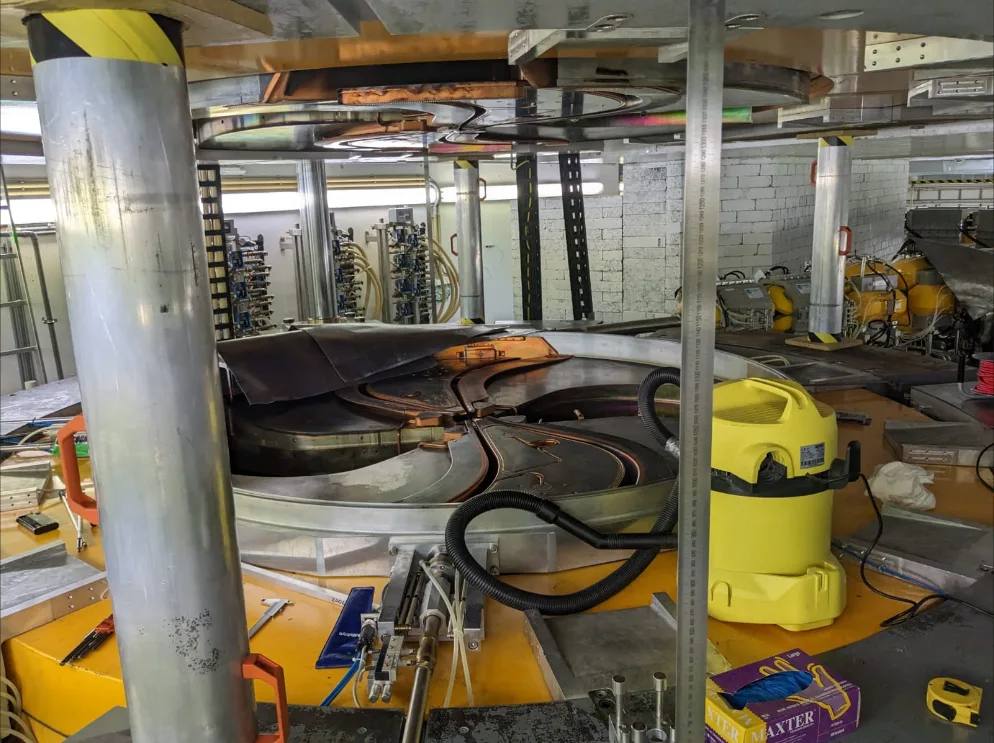
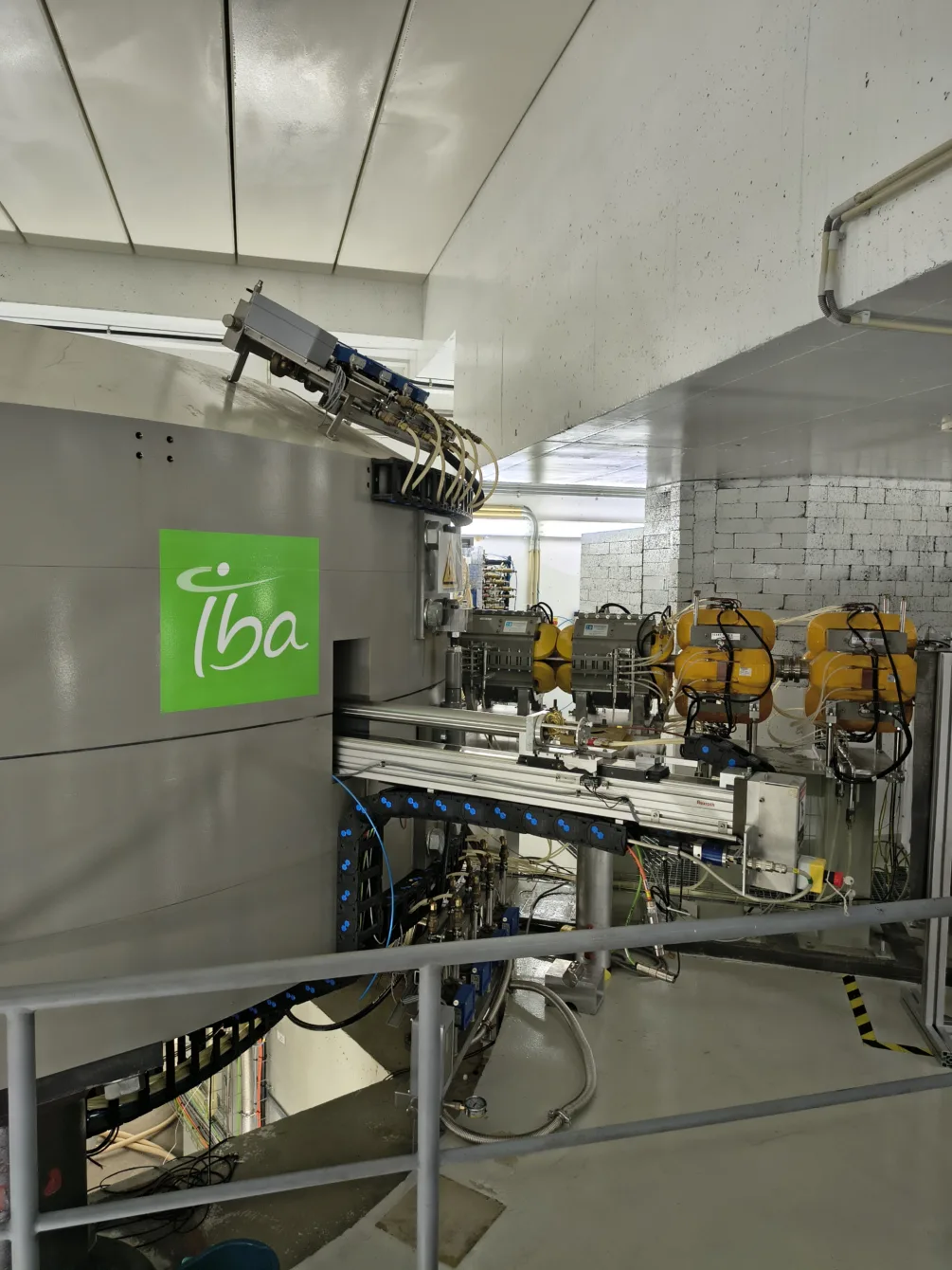
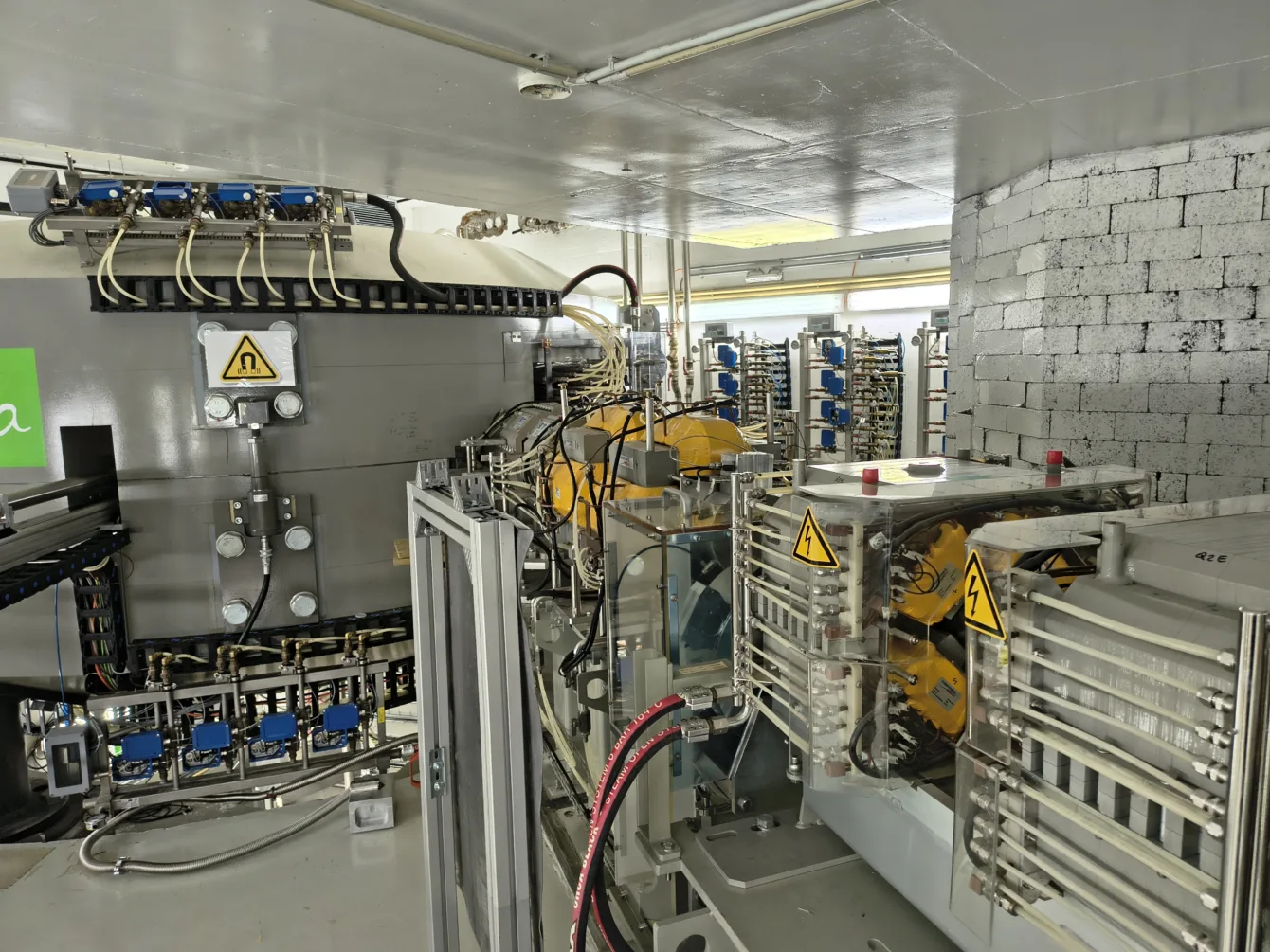
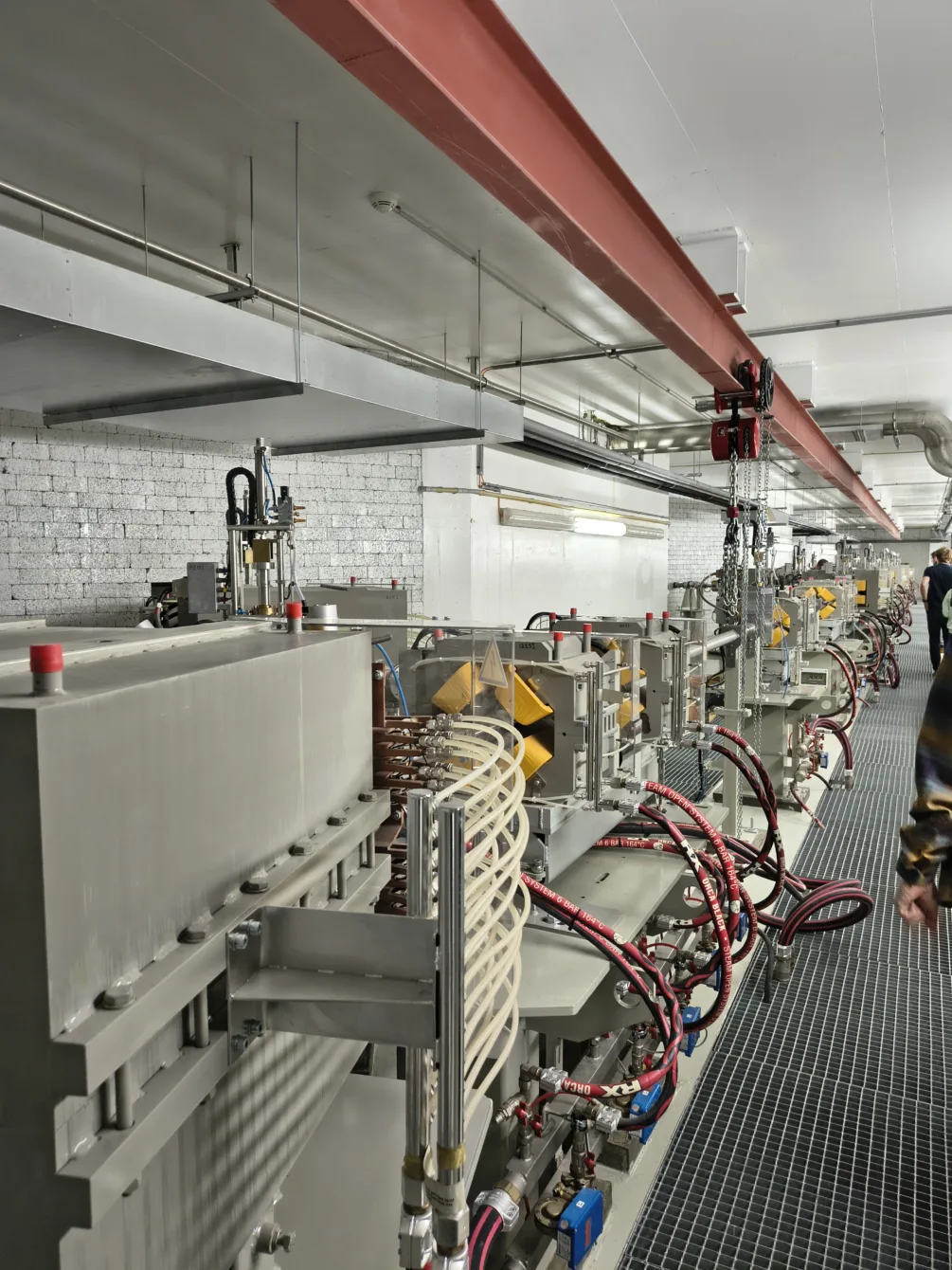
The cooling liquid is precisely 15.7 °C – important due to the expansion of metals.
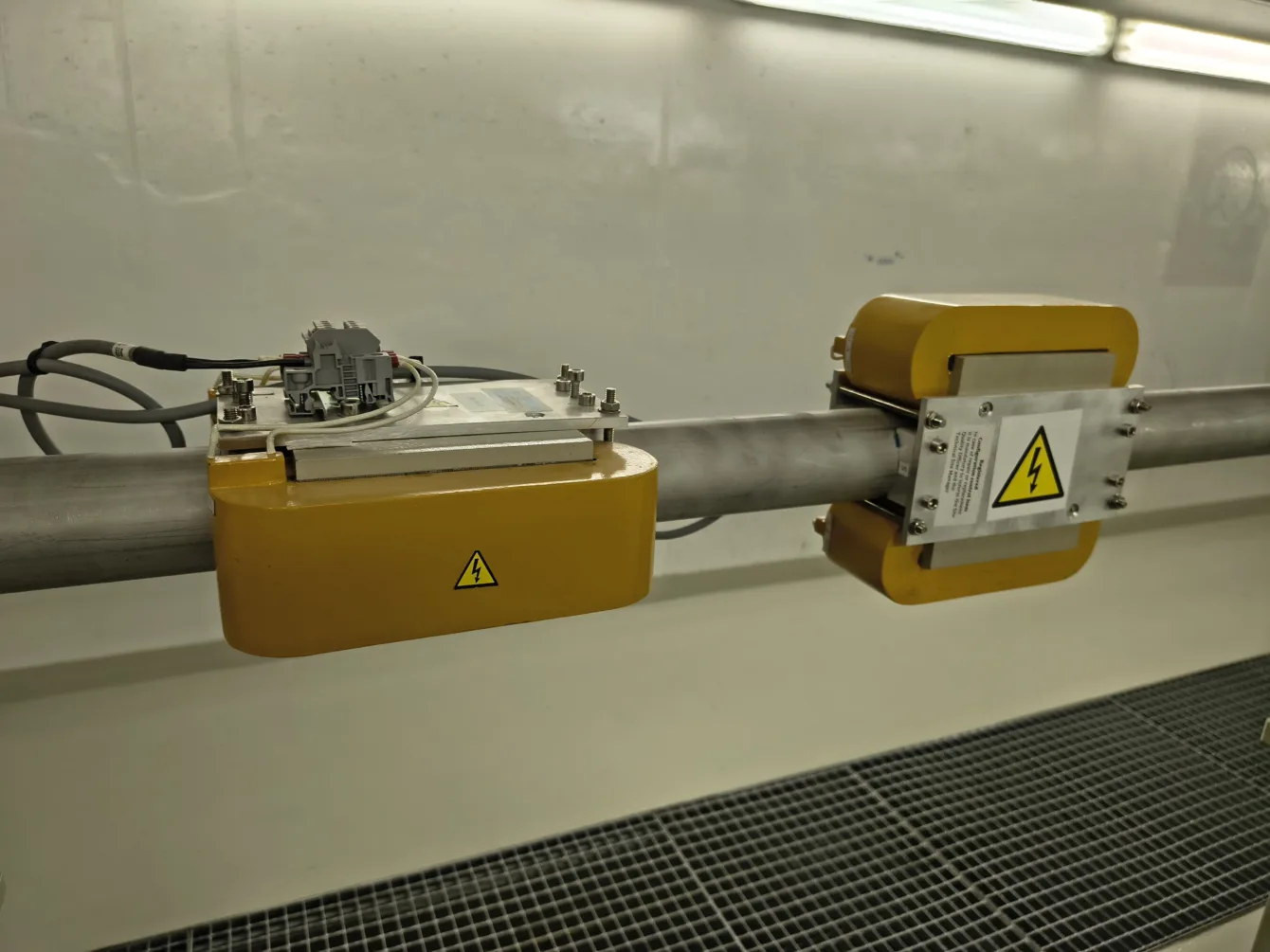
Interesting Facts Without Photos
The targeting of the beam that irradiates the tumor must be accurate to within 1 to 2 millimeters.
The diameter of the beam itself is similar to the diameter of an adult male’s middle finger.
The beam current reaches between 50 to 150 nA. The maximum is 500 nA.
The energy of the beam can be up to 230 MeV (Mega-electron-volts).
Irradiation of the tumor is extremely precise. The program calculates the necessary energy to irradiate only the specified area without affecting healthy tissue.
The program “slices” the tumor and assigns different necessary energies of the proton beam to each part of the tumor. This achieves precise irradiation of the entire tumor, even with atypical shapes, with minimal damage to surrounding tissue.