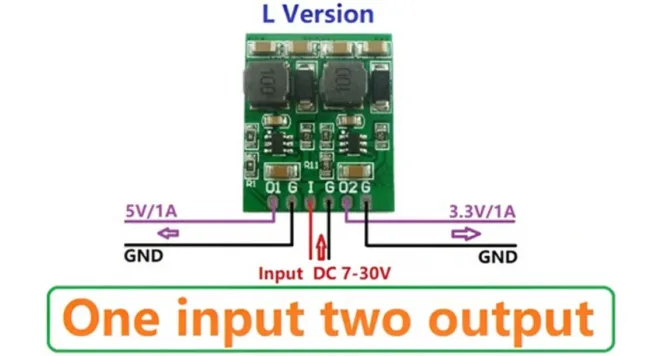
A portable adjustable power supply powered by USB-C caught my attention. I was intrigued by such a supply from the crowdfunding campaign PocketPD, and while searching through the competition, I stumbled upon several others.
PocketPD
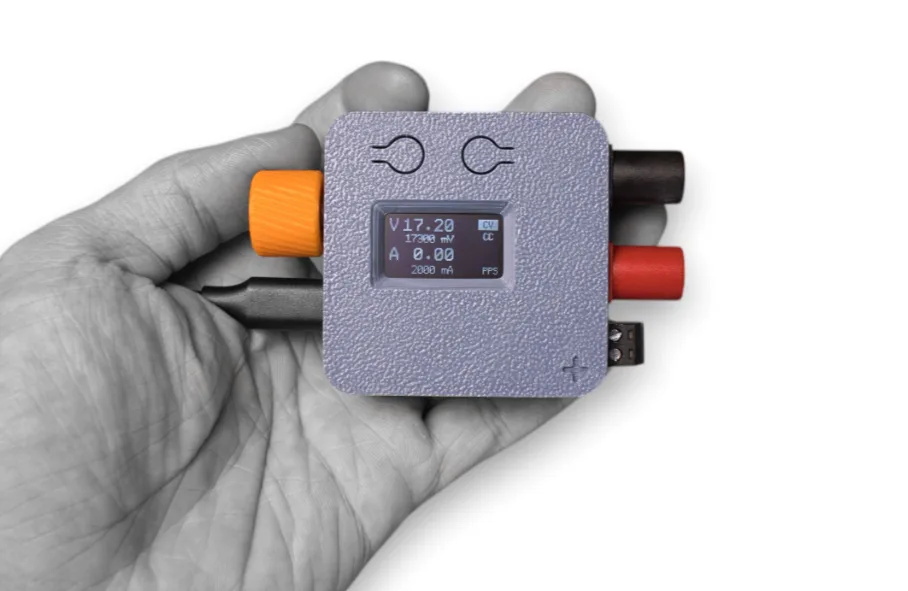
Let’s start with the mentioned PocketPD from Crowd Supply.
The power supply is based on the RP2040, a microcontroller from the Raspberry Pi Foundation. The adjustable power supply is powered via a USB-C input, where a USB-PD trigger (AP33772) negotiates the higher voltage.
Behind this power supply is a buck regulator LM73100. The output from this regulator can be up to 5A, limited by the adapter from which the portable USB-C power supply is powered.
The output can be with constant voltage or current.
The maximum output voltage is up to 20V with a step of 20mV, and the minimum is 3.3V.
The maximum current is up to 5A with a step of 50mA.
An advantage of the power supply is that it can be controlled without the need to connect to a computer.
The price starts at 70 USD + shipping.
Project page https://www.crowdsupply.com/centylab/pocketpd
Project GitHub https://github.com/CentyLab/PocketPD_HW
Spark Analyzer
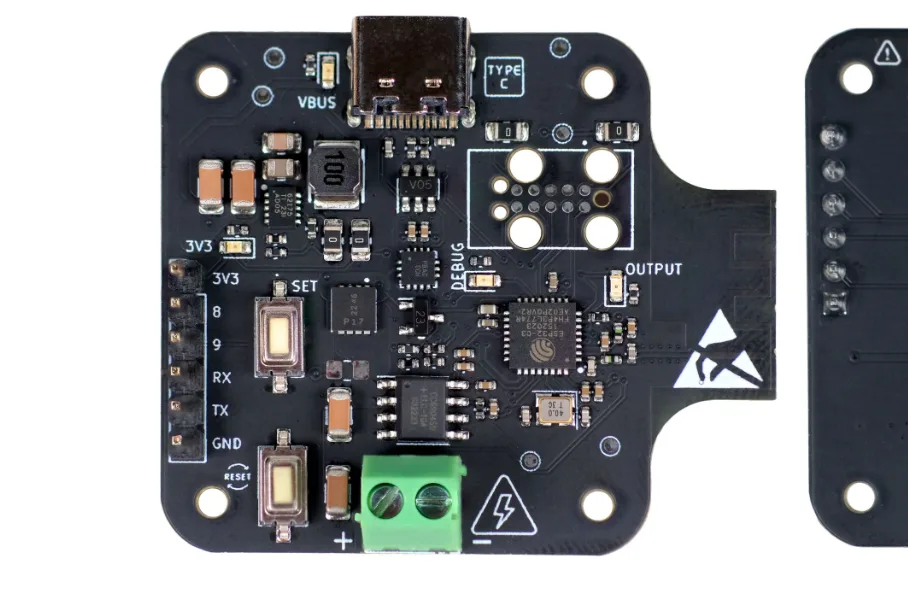
I will add another analyzer/power supply from a crowdfunding campaign: the Spark Analyzer.
An adjustable power supply powered by USB-C, based on ESP32. Besides analyzing USB-C, it can also function as a power supply. In addition to supporting USB PD, it also supports USB PPS.
USB PPS – USB PPS (Programmable Power Supply) is an advanced fast charging protocol within USB Power Delivery (PD) that allows the charger to dynamically adjust voltage and current in real-time (in small steps), instead of fixed levels (5/9/12/15/20V).
Chargers supporting USB PPS can thus be directly adjustable power supplies, and it is not necessarily required for a buck regulator to be behind the power supply.
The voltage step is 20mV, and the current step is 50mA.
The minimum output voltage is 3.3V, and the maximum is 21V when connected to a charging adapter supporting USB PPS.
If the adapter only supports USB PD, then the minimum voltage is 5V.
The maximum current in USB PD mode is 5A, while in USB PPS it is 3A.
Voltage and current are set via a mobile app, and an advantage is the integration of Spark Analyzer into Home Assistant.
The price is 49 USD + shipping.
Project page https://www.crowdsupply.com/elektrothing/spark-analyzer
Project GitHub https://github.com/tooyipjee/Spark-Analyzer/tree/master
FNIRSI DPS150
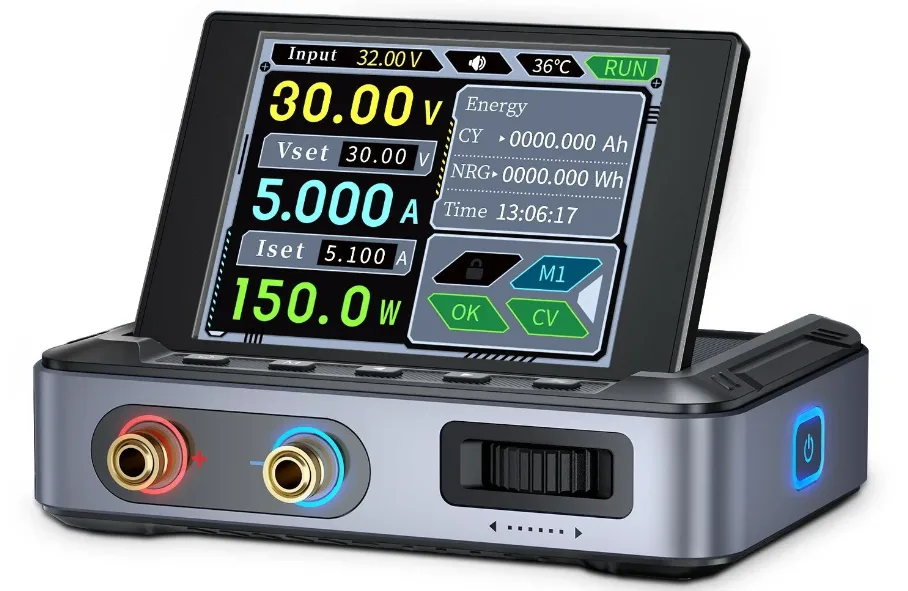
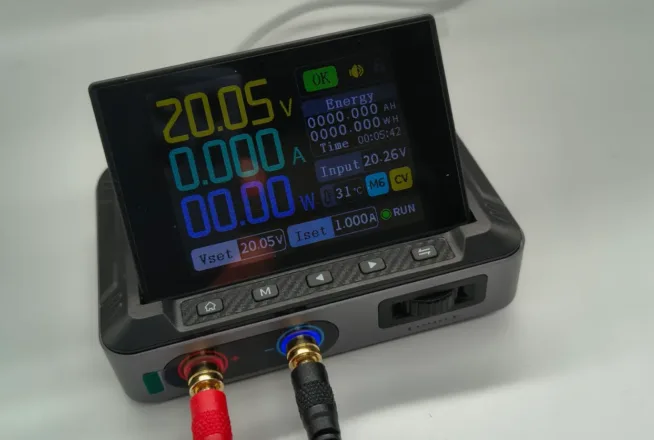
Another adjustable power supply powered by USB-C is the Fnirsi DP150. This power supply has several very interesting features – a clear display, showing voltage and current, set voltage, and backlit output connectors.
However, a downside is the control – which I have detailed in my review of this power supply. I also conducted more thorough measurements of how the power supply behaves in various situations – modes.
From my perspective, the control is not intuitive, the small buttons for switching voltage and current are quite annoying.
The price is 1500 CZK excluding shipping.
Product page https://www.fnirsi.com/products/dps-150
Buck-boost Adjustable Power Supply with Seven-Segment Display
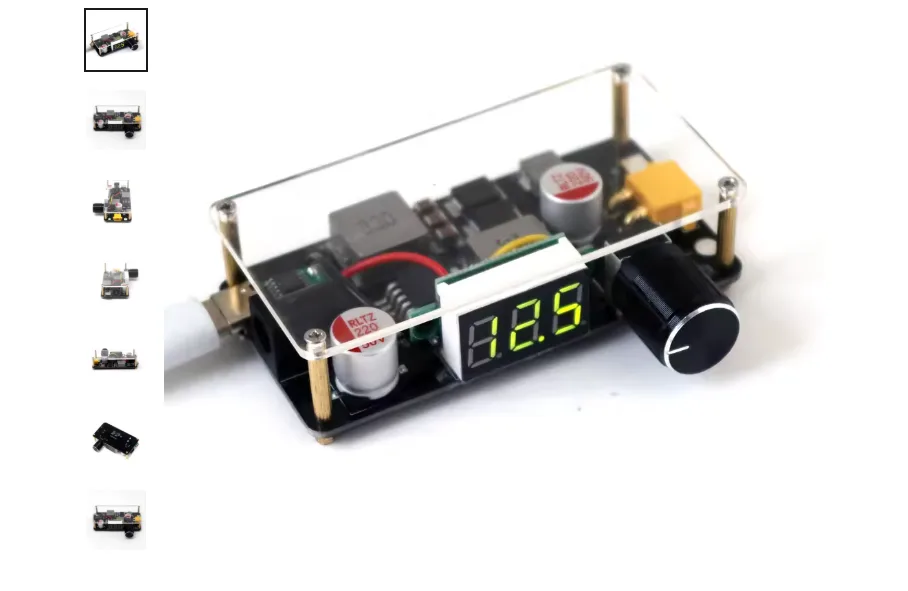
This power supply is also powered by USB-C, supporting USB PD. The input power voltage can be up to 35V, and the output voltage can range from 1.2 – 36V. Additionally, this supply is buck-boost, meaning it can both step down and step up the voltage.
The maximum output current is 3A.
The output voltage is controlled using a potentiometer.
The price is 340 CZK + shipping and VAT.
Product page https://www.aliexpress.com/item/1005009855273470.html
DPS100 – Power Supply with USB-C and Coaxial Connector
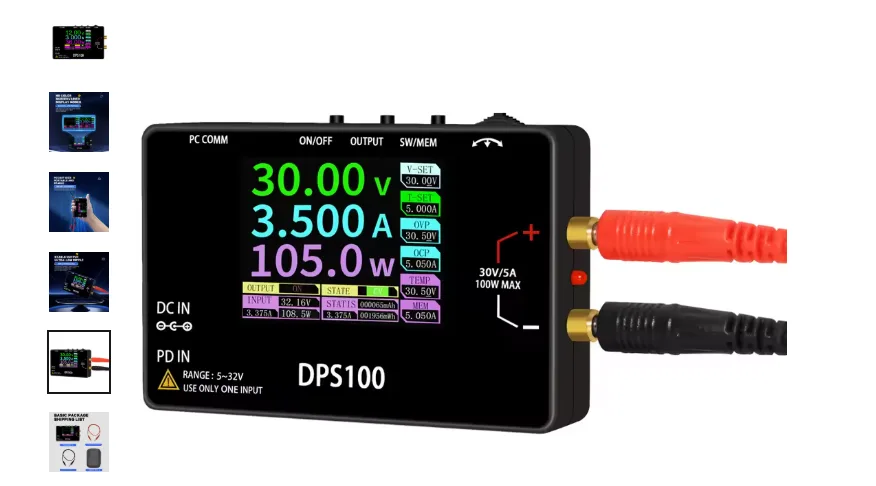
Another adjustable power supply that can be powered by USB-C is the DPS100. It has nothing to do with the Fnirsi DPS150.
The DPS100 is an adjustable power supply that can be powered both from USB-C (supports PD) and from a coaxial connector. The maximum input voltage is up to 32V with an output voltage of 0-30V/5A, making it an interesting alternative to the aforementioned adjustable power supplies.
According to the video, the encoder used to set the voltage also functions as a confirmation button – something that bothered me with the Fnirsi DPS150. Current values are displayed on a large 2.4″ display.
The price is 1100 CZK + shipping and VAT.
Product page https://www.aliexpress.com/item/1005007693564248.html
RIDEN Rules Them All
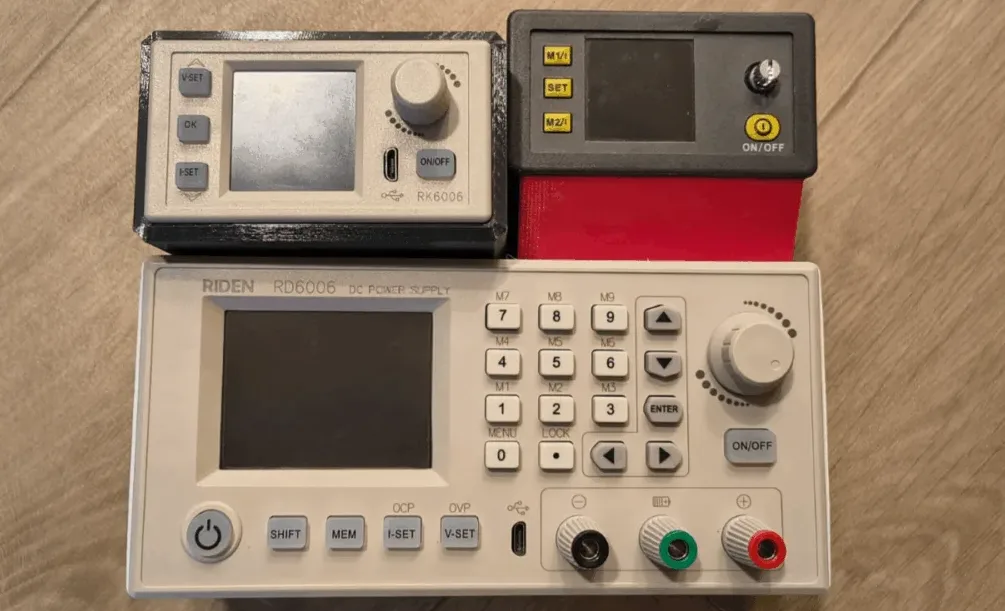
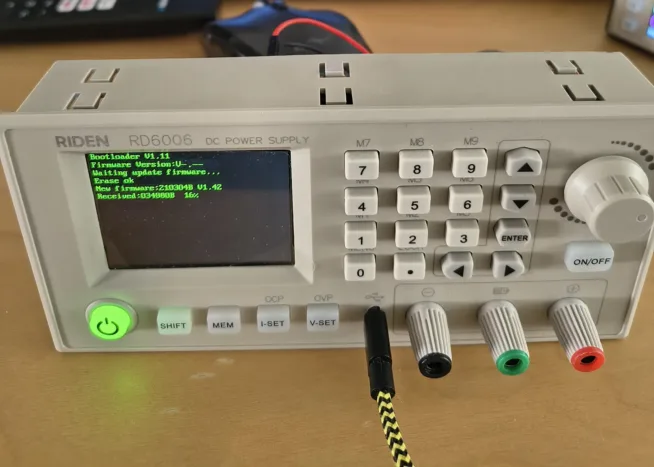
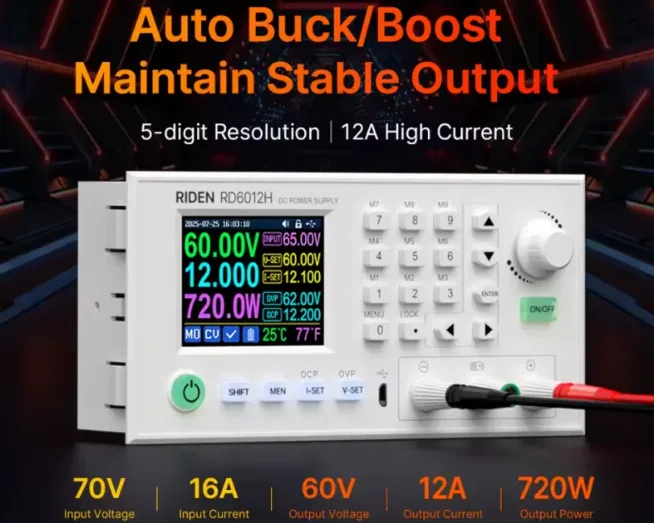
Do you love adjustable power supplies RIDEN (complete guide here)? Smaller or larger, with higher or lower output current and great alternative Firmware.
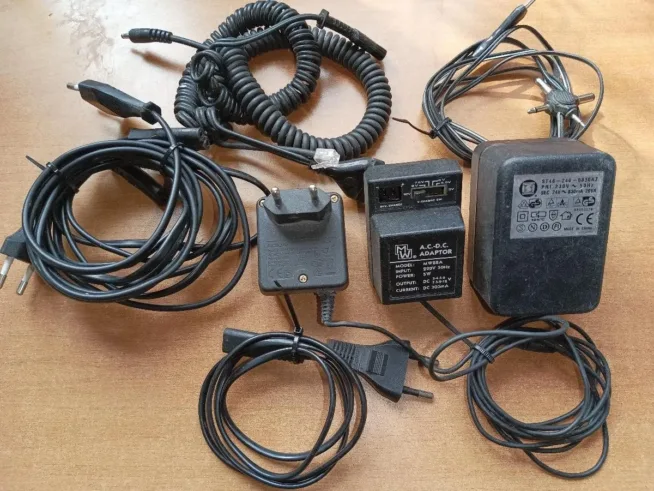
RIDEN power supplies do not have the option of being powered directly from USB-C, but if you only need a maximum voltage close to 20V, you can use a USB-C trigger. This will require 20V, which then becomes the input voltage for RIDEN supplies.
You can use a USB-C trigger (voltage switcher) – for example, as a standalone board or in combination with a coaxial connector.
Miniware MDP-P906
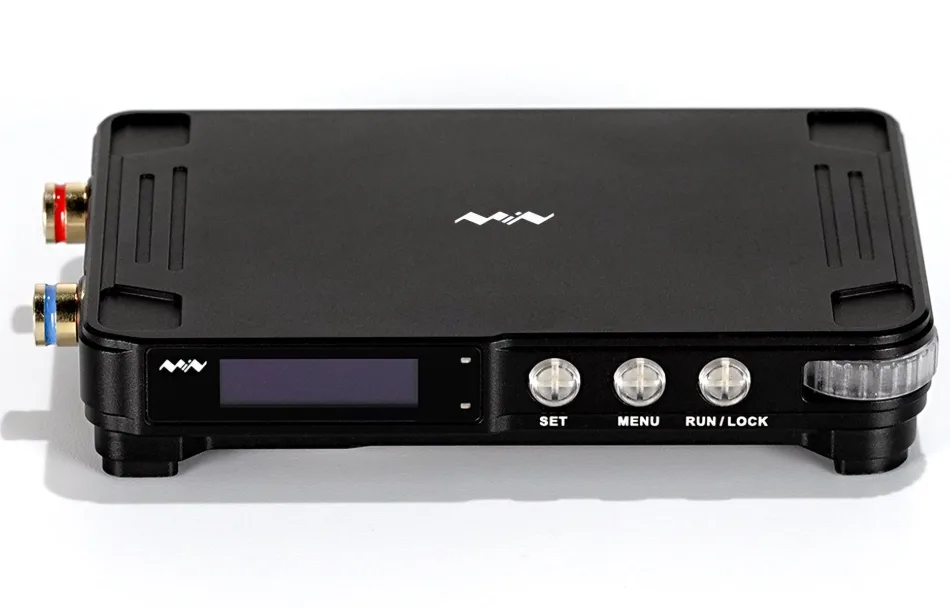
And in the list of USB-C powered adjustable power supplies, the one from Miniware should not be missed. The Miniware brand is generally considered to be very high quality for hobbyist workshops and finds its place in companies as well.
For a price of 140 EUR, you get a power supply that can be powered both from USB-C (supports USB PD) and through a coaxial connector. The total power of the supply can be up to 300W. With an output from 0 to 30 V and a current from 0 to 10 A – this applies to an external power adapter.
For USB-C powering, the maximum input voltage is 20 V and the current is 5 A.
Available connectivity includes both USB-C and Wi-Fi.
Online store https://eleshop.eu/miniware-mdp-p906-power-supply.html