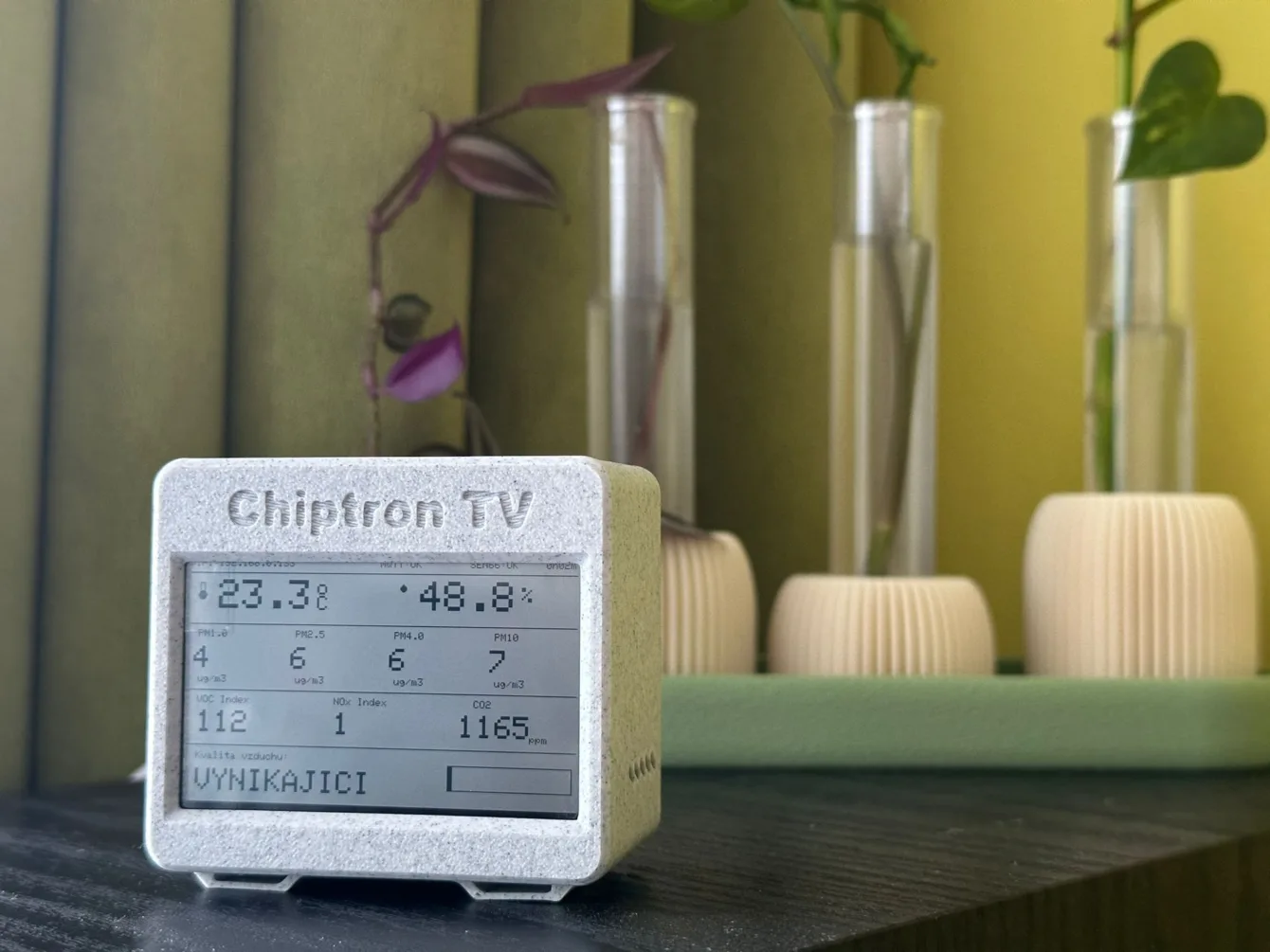
The project for measuring air quality in homes, offices, or schools based entirely on open-source products with support for home automation – Home Assistant. A comprehensive analysis of air quality based on measurements of particulate matter, CO2 concentration, temperature, humidity, NOx, and VOC air quality index.
A big thank you goes to WA_V and KutilDomaci, without whom this project would not have been possible.
You can find a variety of such devices on chiptron.cz, but this one is a bit different.
It uses a comprehensive sensor to measure particulate matter, CO2 concentration, NOx, and VOC index, as well as temperature and humidity. The data is displayed on an energy-efficient and non-glowing (and non-disruptive at night) MemoryLCD.
Additionally, it also supports home automation – Home Assistant and has the capability to forward data to the TMEP.cz service.
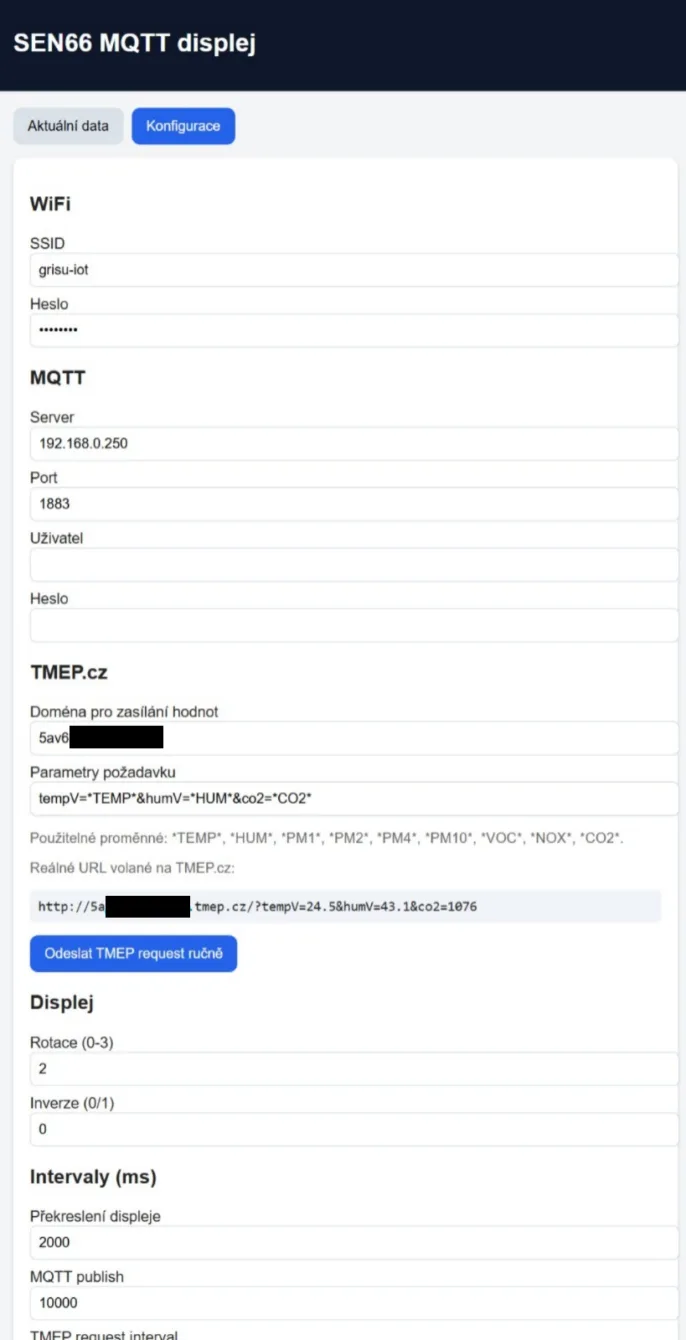
Configuration is easily accessible through a web page with settings.
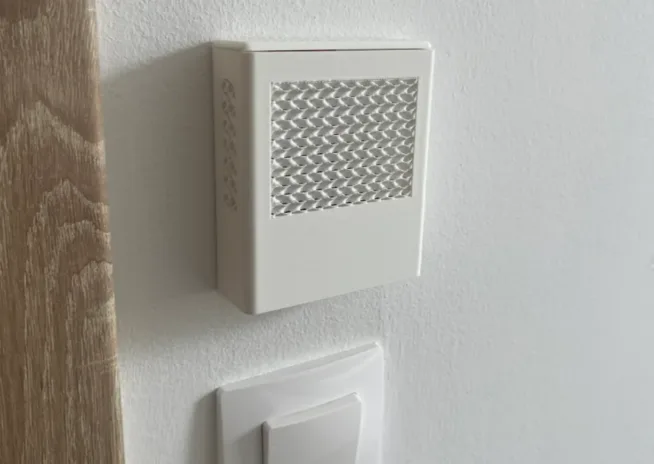
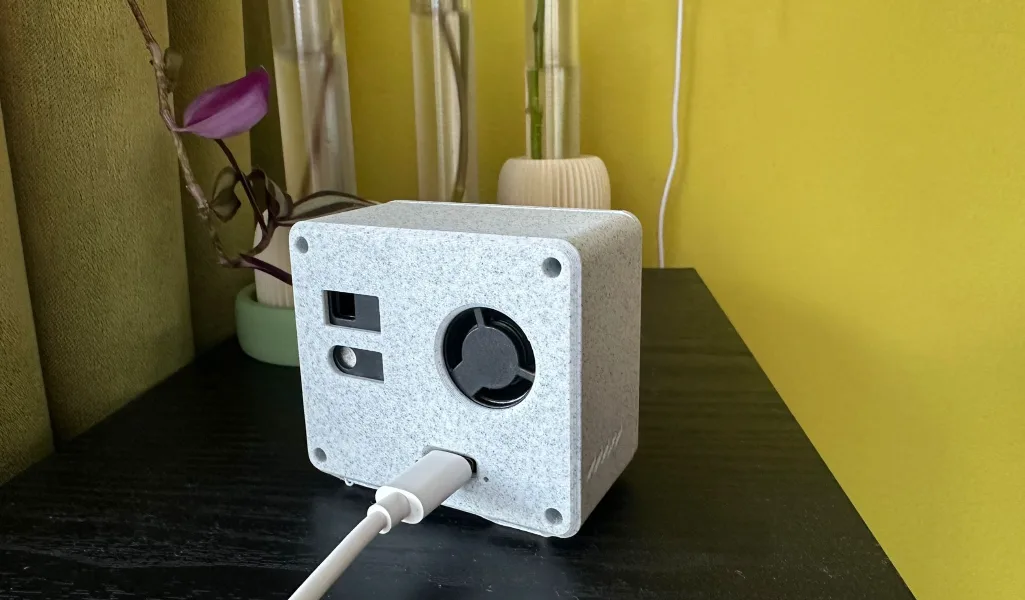
A 3D printed box model is also included, into which you can easily assemble all the hardware. The box is designed to minimize measurement inaccuracies of the sensor.
If you don’t have home automation but want to display the data on a very energy-efficient display, code for Arduino IDE is also available.
The Czech e-shop for hobbyists laskakit.cz provided the necessary hardware.
Hardware
Memory LCD
As the main display unit, we chose the MemoryLCD display.
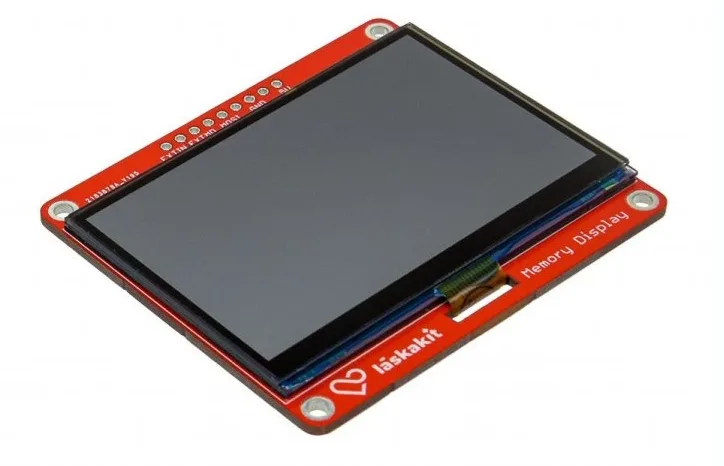
Sharp Memory LCD (laskakit) is a special type of display that combines the advantages of traditional LCD and ePaper. The display does not require backlighting and is reflective, so the more ambient light, the better it is readable (similar to ePaper).
Due to its low power consumption, sharp contrast, and good readability in daylight, the Sharp Memory LCD is ideal for battery-powered and always-on devices, such as various sensors and IoT displays.
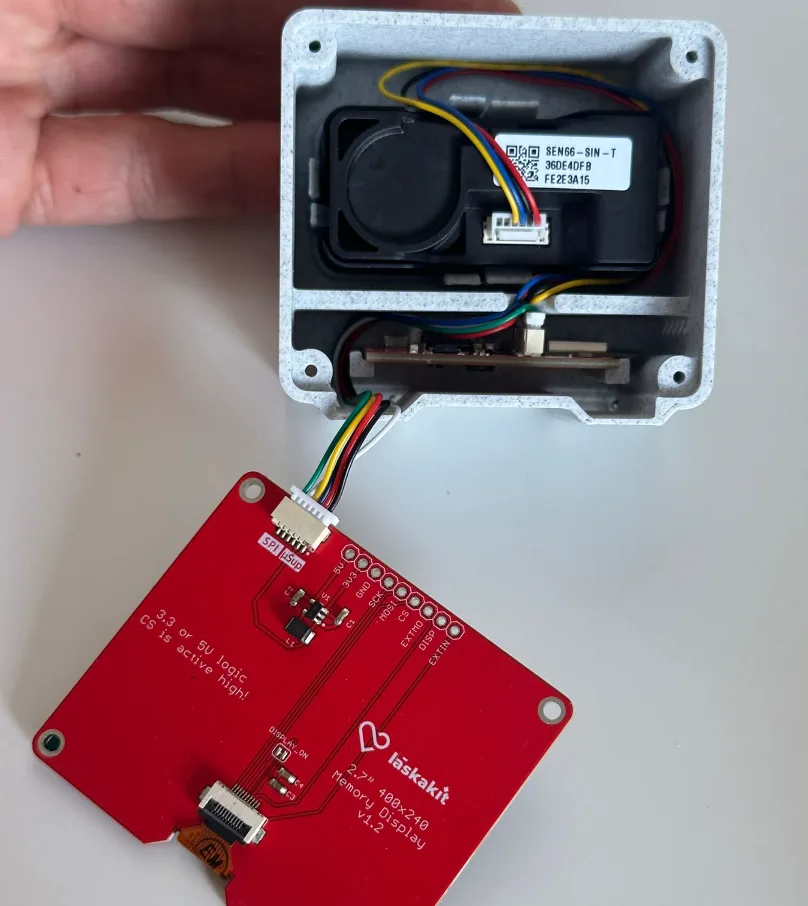
This display module has a six-pin connector that allows it to be easily connected to the control board. The connector has a lock and protection against misalignment.
Air Quality Sensor
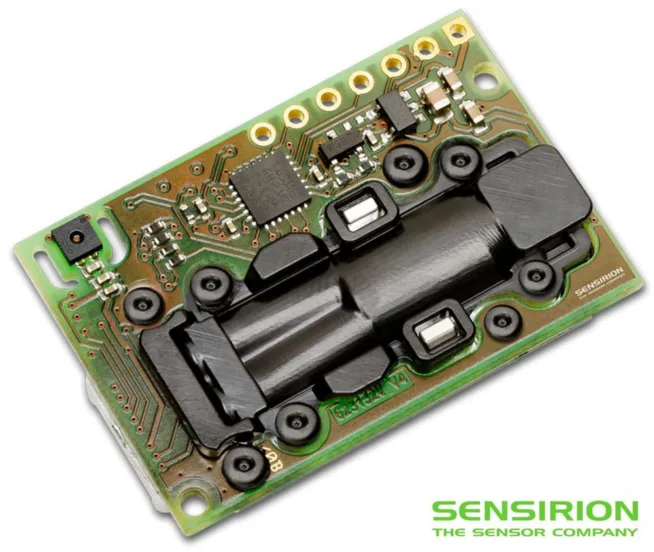
For the sensor to measure useful parameters of air quality, we selected SEN66 (laskakit).
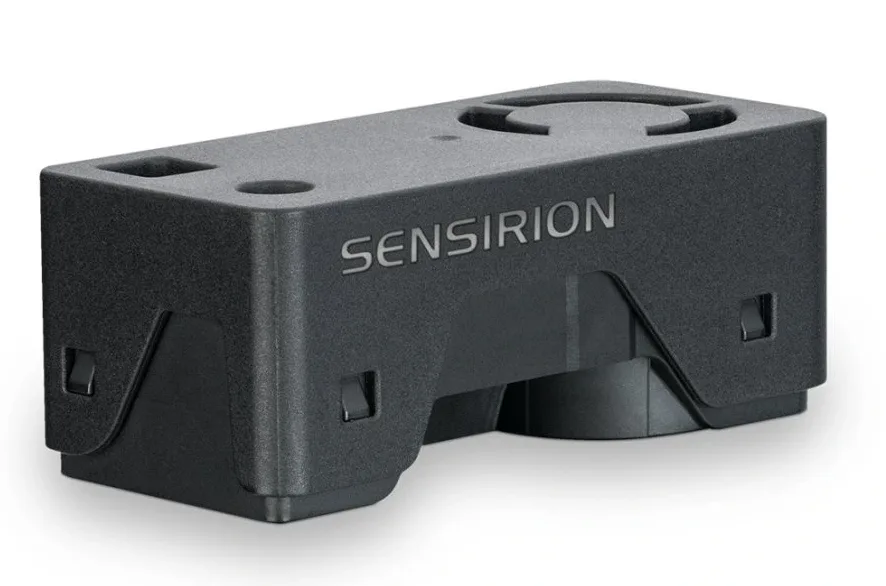
The reasons for choosing this module were
- the number of measured parameters
- the module contains quality Sensirion sensors
- 3.3V power supply
- I2C bus
- small size and consumption
About the sensor SEN66 I elaborated in this article. The sensor measures both particulate matter and CO2 concentration, NOX, and VOC index (what is it?) and of course temperature and humidity. Thus, it provides a comprehensive overview of the air parameters we breathe at home.
ESPwled Control Board
We chose the ESP32wled (laskakit) as the control board, which is designed for controlling addressable RGB LED strips, but no one says you can’t use it for something else.
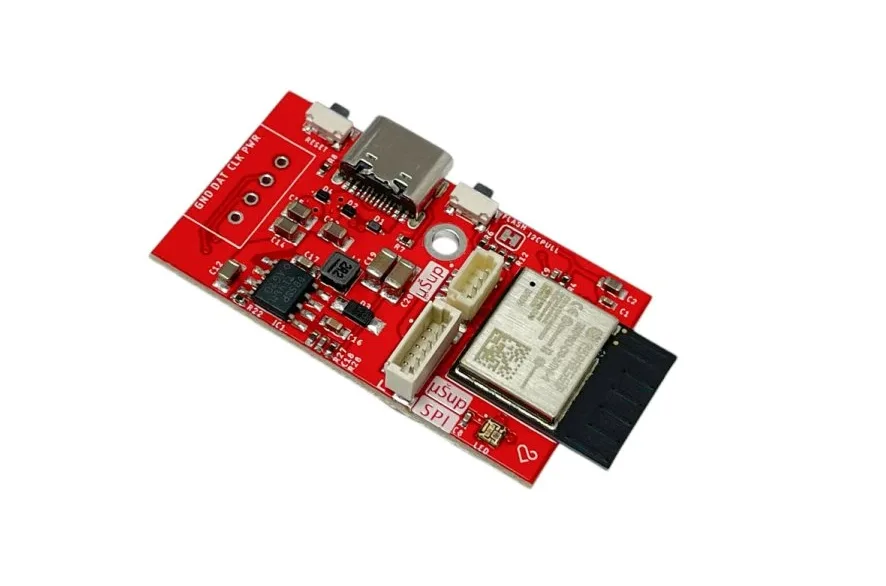
And it suited us well. Miniature dimensions, popular ESP32-C3 chip, and a locking connector for I2C and SPI bus.
To complete the project, you will also need connecting cables. SEN66 cable between ESPwled and SEN66 and SPI cable to connect MemoryLCD to ESPwled.
Software
Program for Arduino IDE
If you don’t have home automation – often Home Assistant – you can still use this project for measuring air quality. We have prepared a program that you can easily compile in Arduino IDE, and ESPwled will periodically measure and display the measured air quality data.
The code can be found at https://github.com/LaskaKit/ESPwled/tree/main/SW/SEN66_MemoryLCD
Home Automation (Home Assistant)
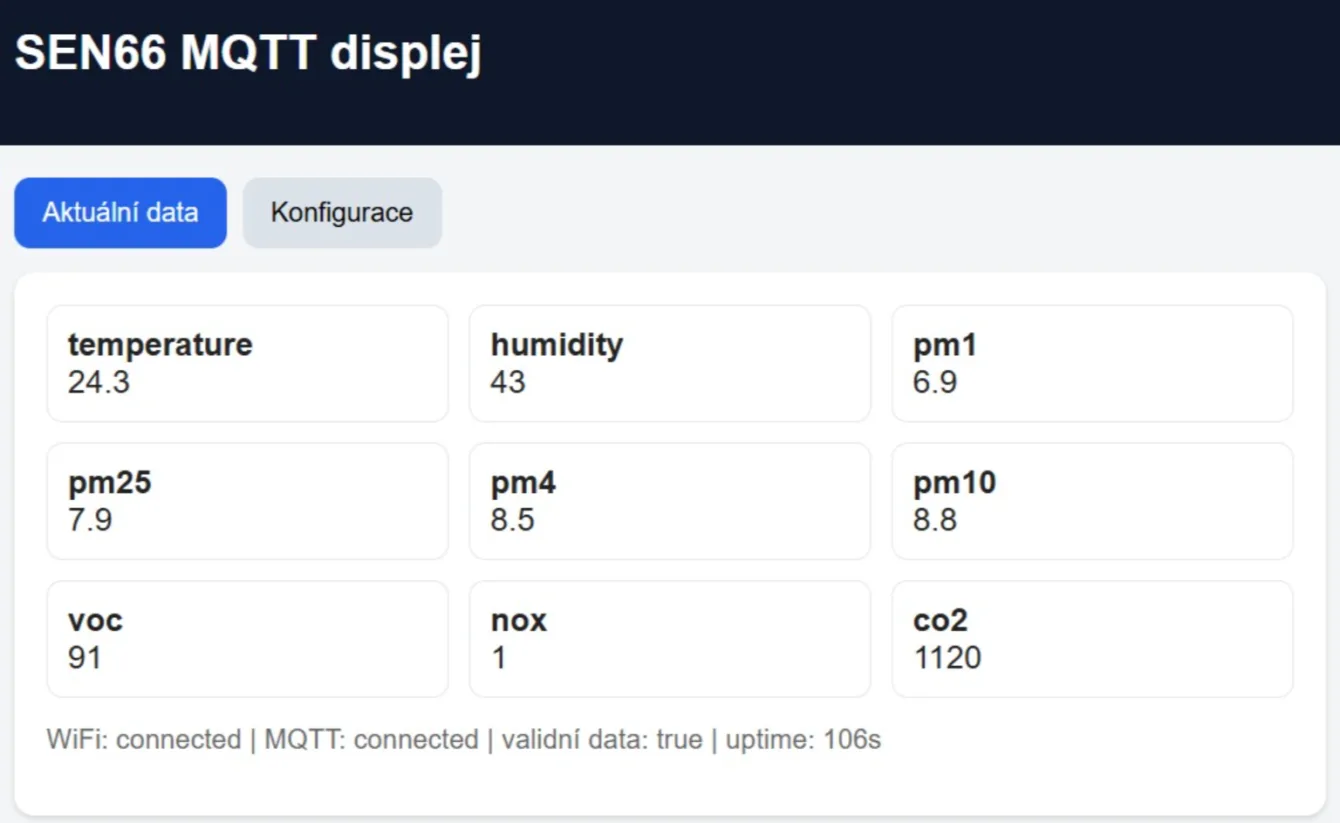
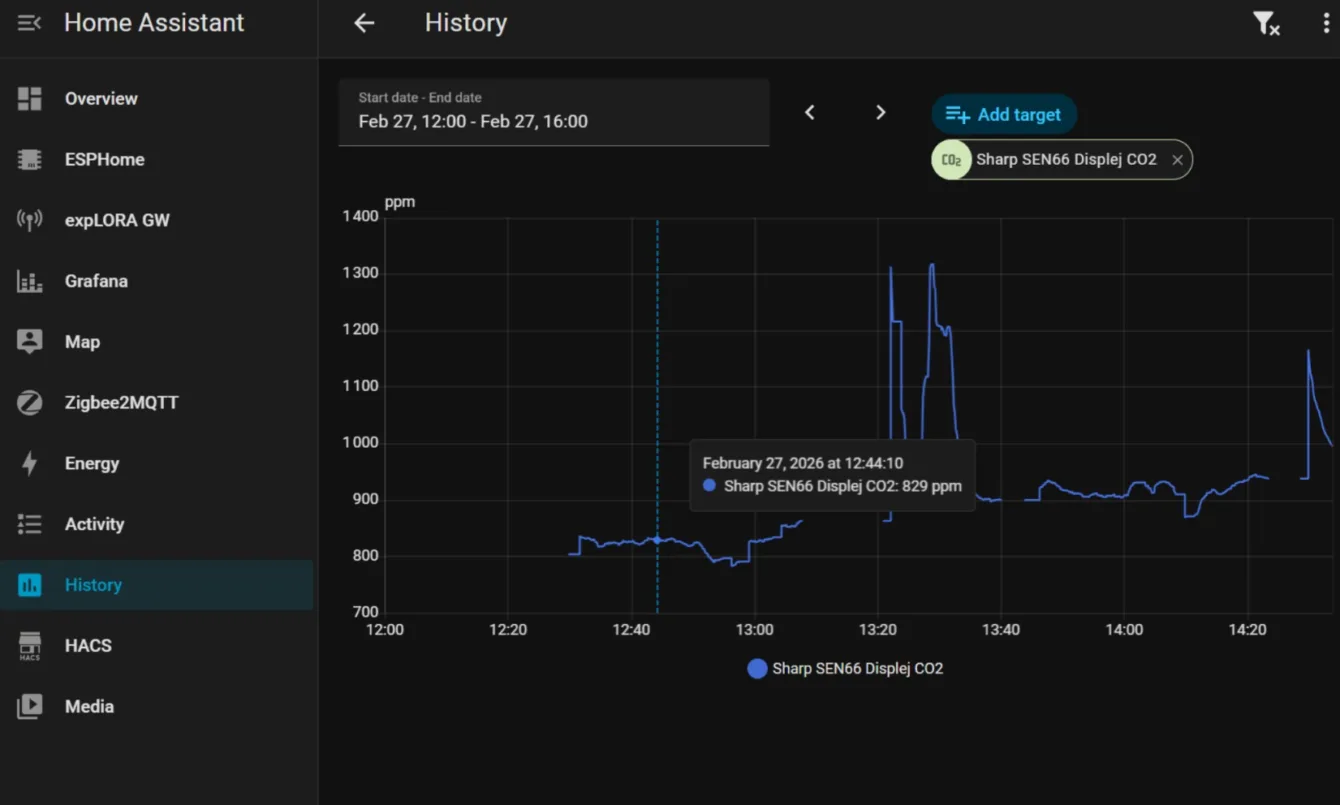
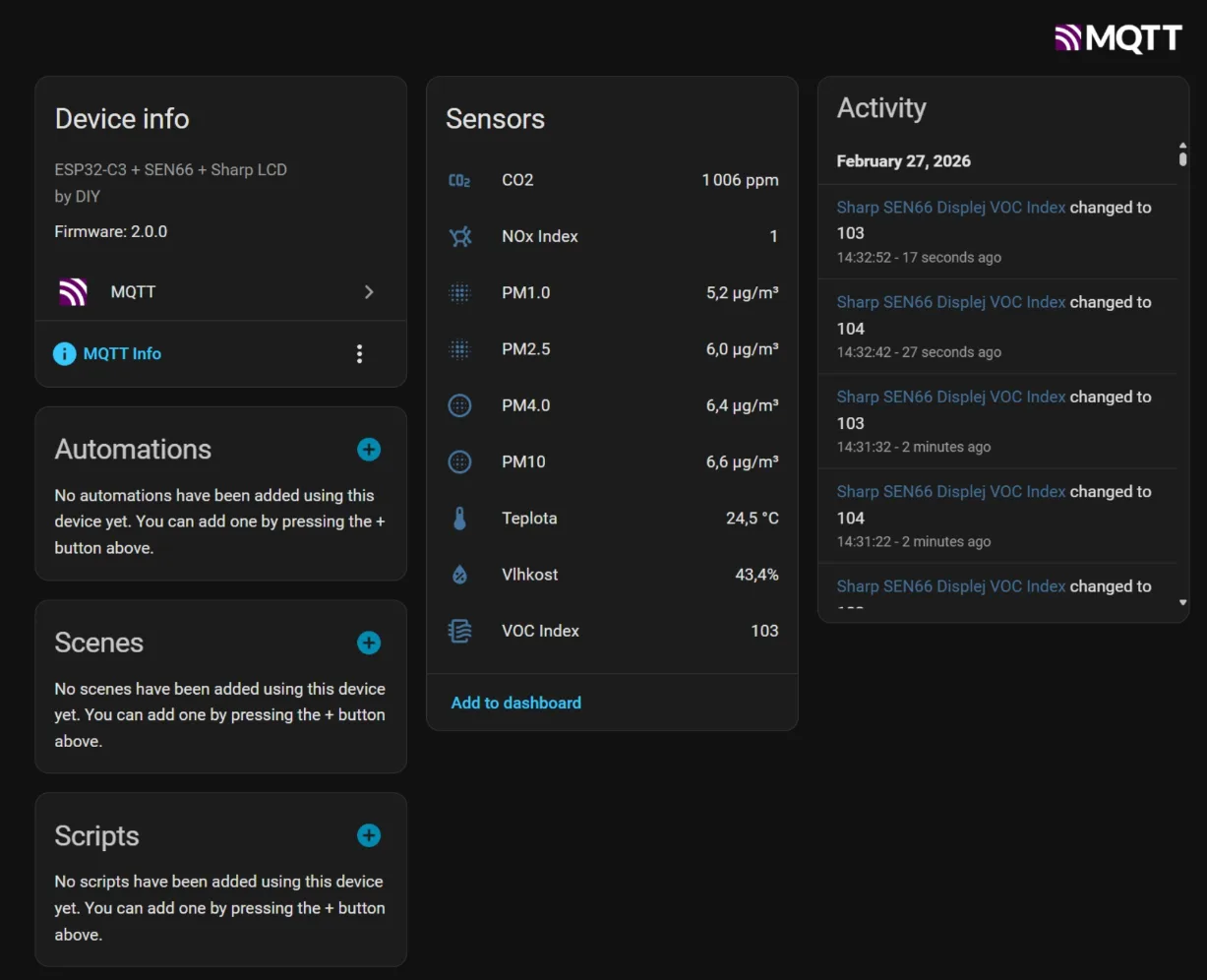
Many people have Home Assistant for home automation. We thought about this too, and so we created code for this option as well. In addition to displaying the measured data, the data is also sent to the home server with Home Assistant (via MQTT server) and can be forwarded to the TMEP.cz service.
The home air quality measurement project does not have native support in Home Assistant, the measured air quality data is sent to HA via MQTT.
On GitHub, you will find both a description and instructions on how to get the entire device up and running
https://github.com/VladaWaas/VladaWaas-sharp-sen66-mqtt-display2
3D Printed Box
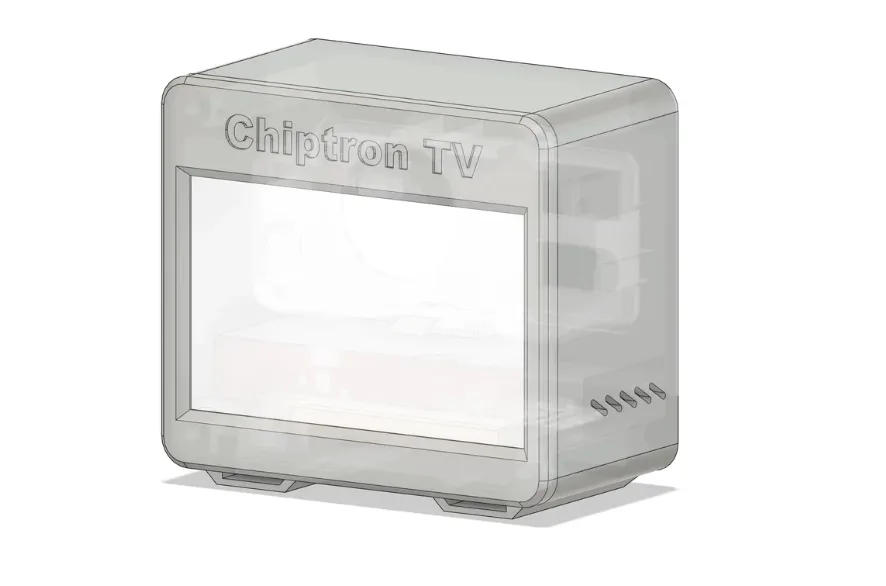
To make the project complete, it also needs to look good. For this purpose, a box was created that you can print on a 3D printer.
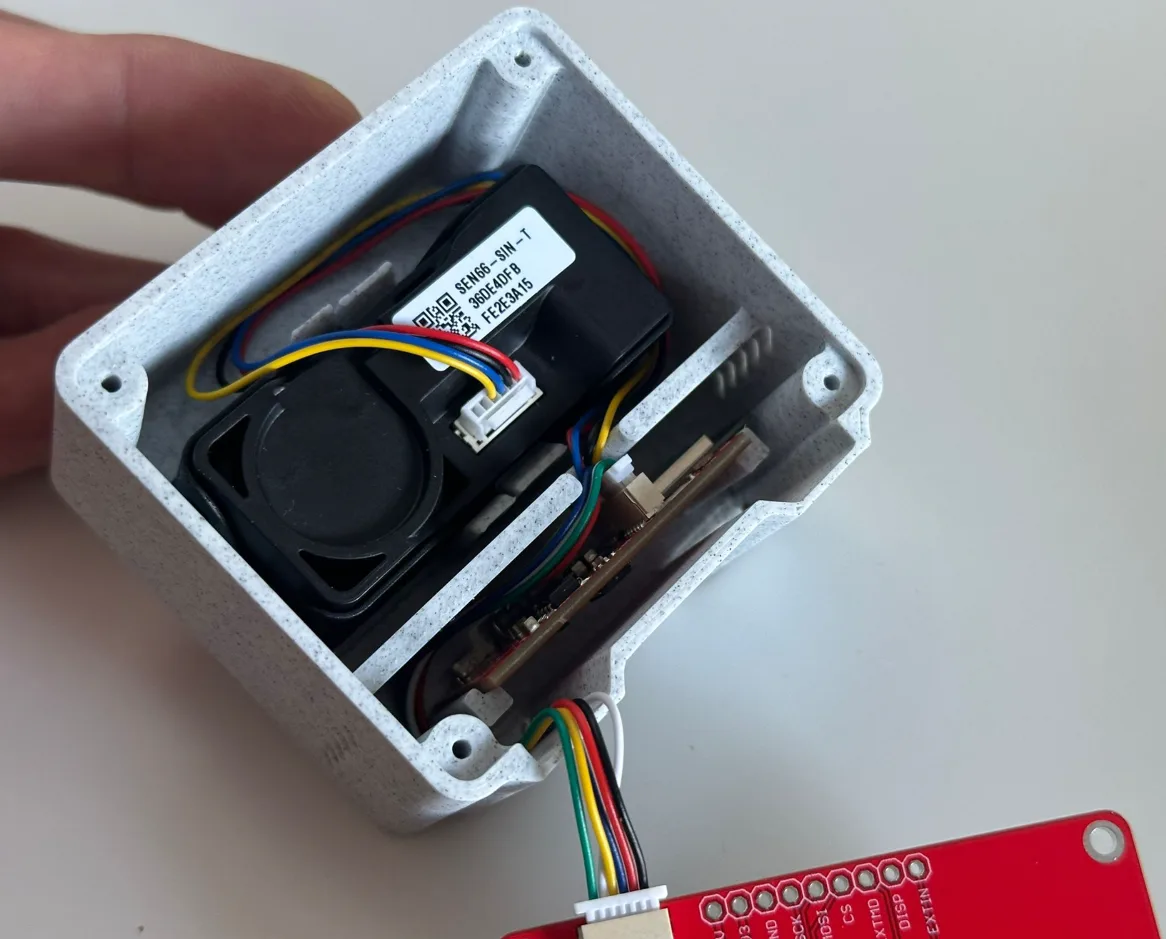
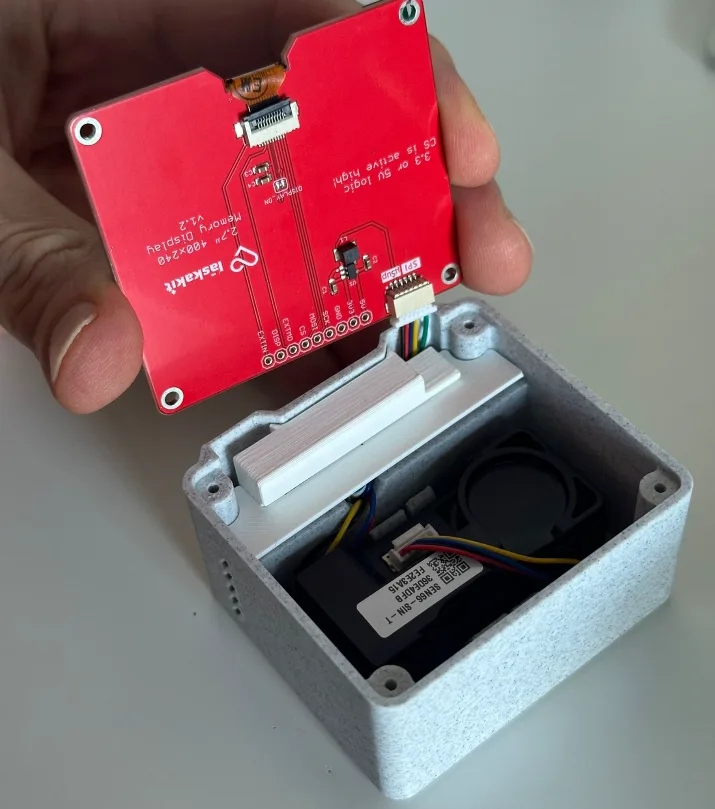
The box has enough space to accommodate all the necessary components, considers ventilation for more accurate parameter measurements, and securely holds the components in place to prevent damage, especially to the fragile display.
The STL file can be found at https://www.printables.com/model/1600651-case-for-sen-66-with-sharp-memory-display
A big thank you goes to WA_V and KutilDomaci, without whom this project would not have been possible.