A new subfamily of L4 family microcontroller which is more powerful and also has lower power consumption of ARM Cortex-M4 which is called L4+ (STM32L4 Plus).
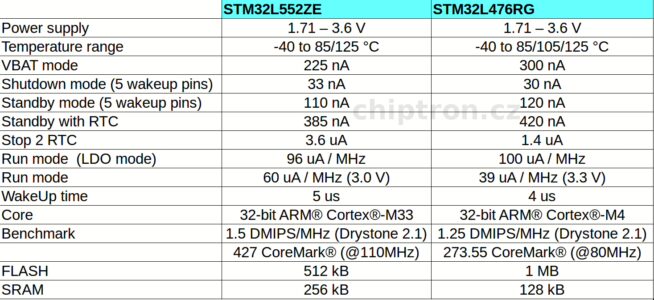
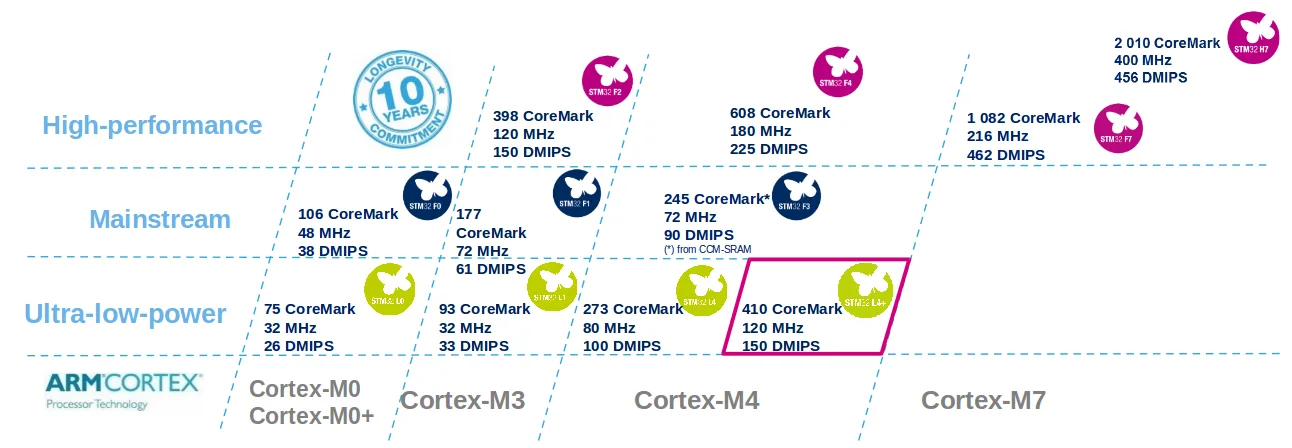
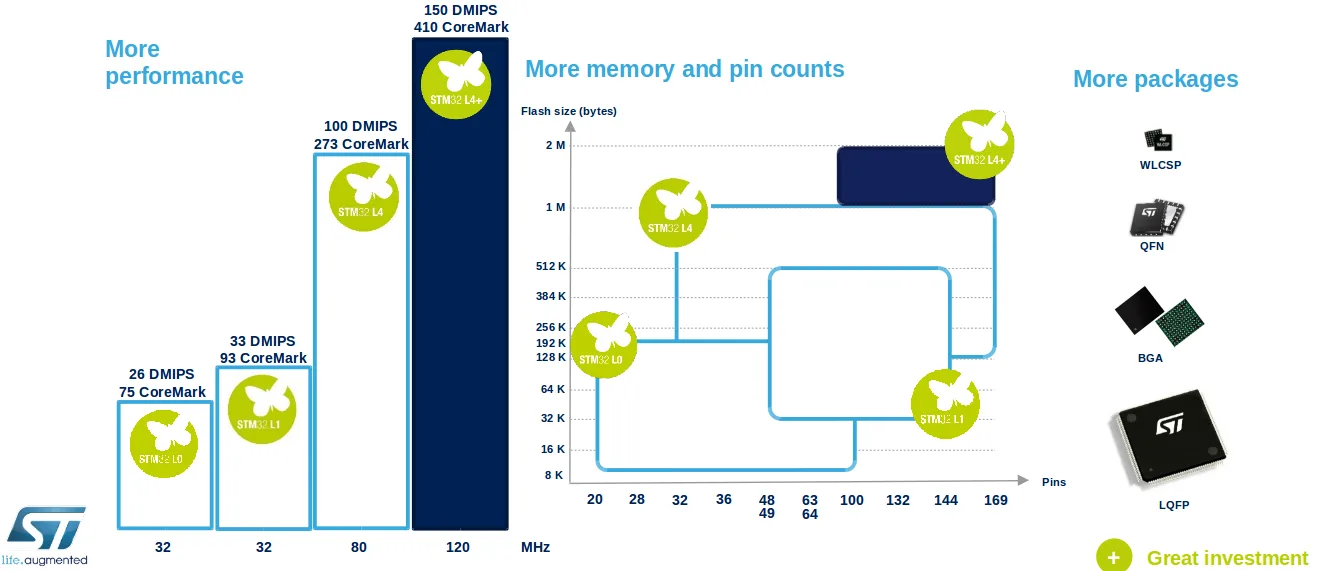
Original L4 which is based on Cortex-M4 achives up to 100 DMIPS and up to 80 MHz.
L4+ exceeds maximal frequency about 40 MHz – so, up to 120 MHz and in benchmark achives up to 150 DMIPS (up to 410 CoreMark).
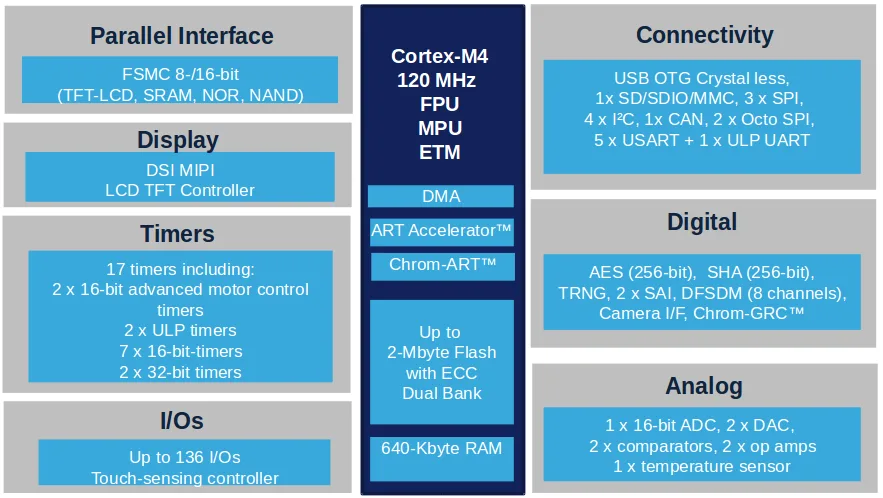
Higher integration, more amount of FLASH (up to 2 MB) and RAM (up to 640 kB), L4 Plus can be strong competitor of another families like F.
The pinout of L4+ microcontrollers is the same like L4. So, the substituce for L4 microcontroller should be without problems.
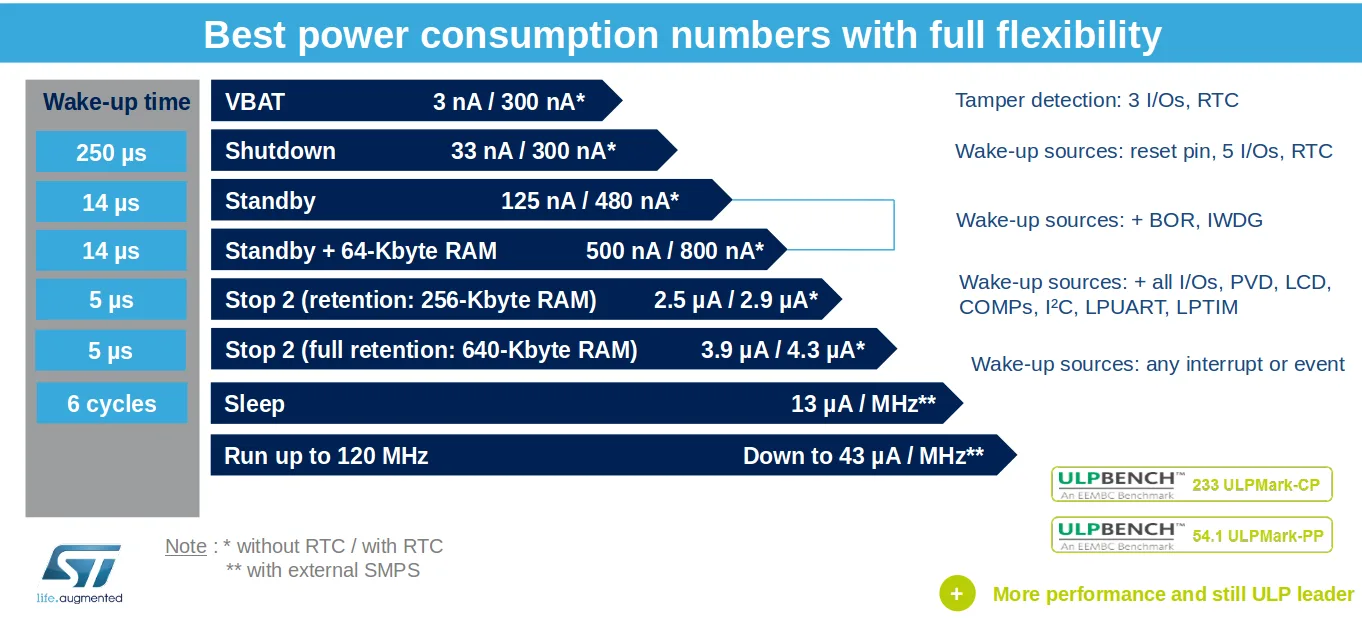
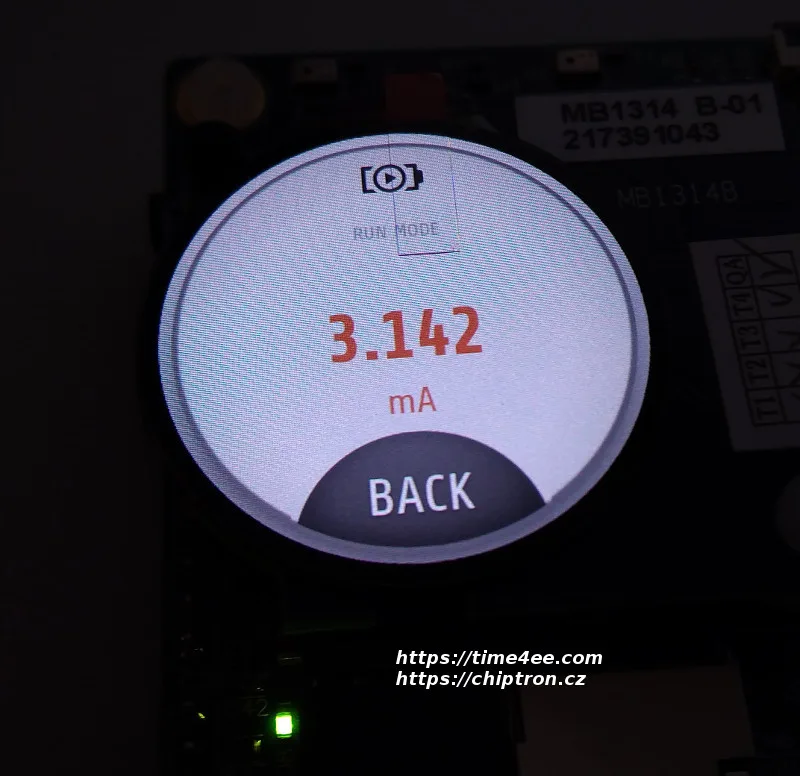
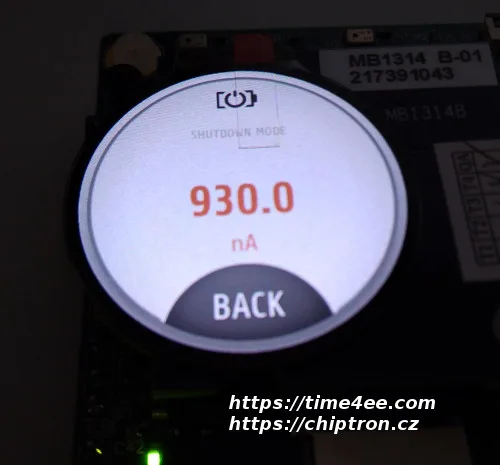
The power consumption is so low. Shutdown mode – 33 nA with switch off RTC. 300 nA with turn on RTC. 125 nA in standby mode (without RTC), with RTC 480 nA.
The power consumption in usual mode is 43 uA/MHz. L4+ microcontroller can be wake up by by a lot of ways. See on the picture.
L4+ includes CHROM-ART accelerator, interface for 2D graphics.
You can also use MIPI-DSI interface and LCD-TFT driver which is used for controling of display.
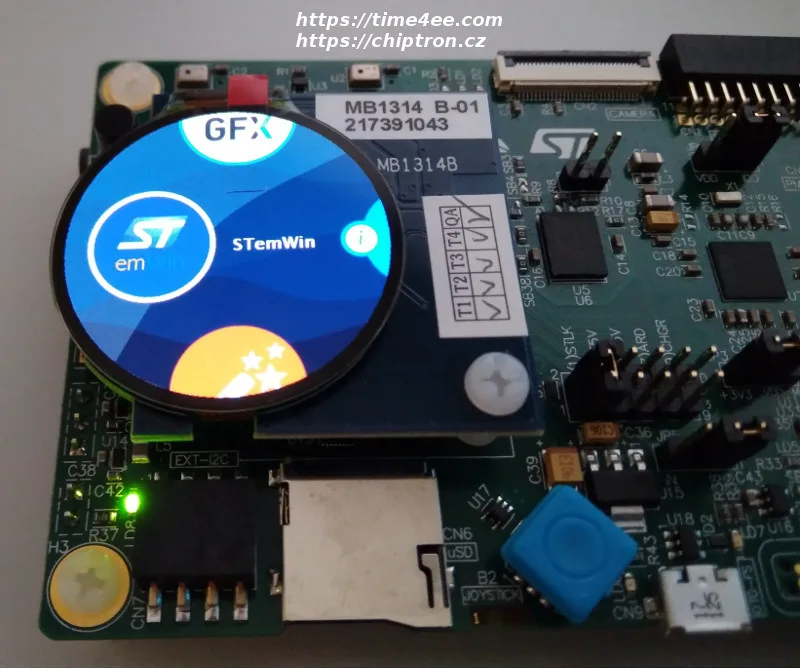
The L4+ microcontroller contains CHROM-GRC, graphical driver for round display. Easier integration for wareables devices.
Next important behaviors which you can use are UART, I2C and low-power timer which are working in STOP mode, 2x octo SPI for external RAM or FLASH memory, digital filter in sigma-delta converter and also independent peripheral clock of main core clock.
Important analog interfaces are 12/16bit AD converter with up to 5Msps sample rate (power consumption 200uA/Mpsp), hardware oversampling of analog input, single and diferential analog inputs.
2x 12bit DAC (up to 1 Mbps which is available in stop mode), 2x low-power compartors and internal voltage reference 2.048V and 2.5V.
Security and protection
L4 Plus contains brown-out detector, SRAM parity check, FLASH memory with ECC or dual watchdog.
Memory protection unit (MPU), read and write protection, unique ID, AES256/SHA256 cryptographic unit, JTAG fuses and true random number generator.
Datasheet of STM32L4R5xx, STM32L4R7xx, STM32L4R9xx available on http://www.st.com/
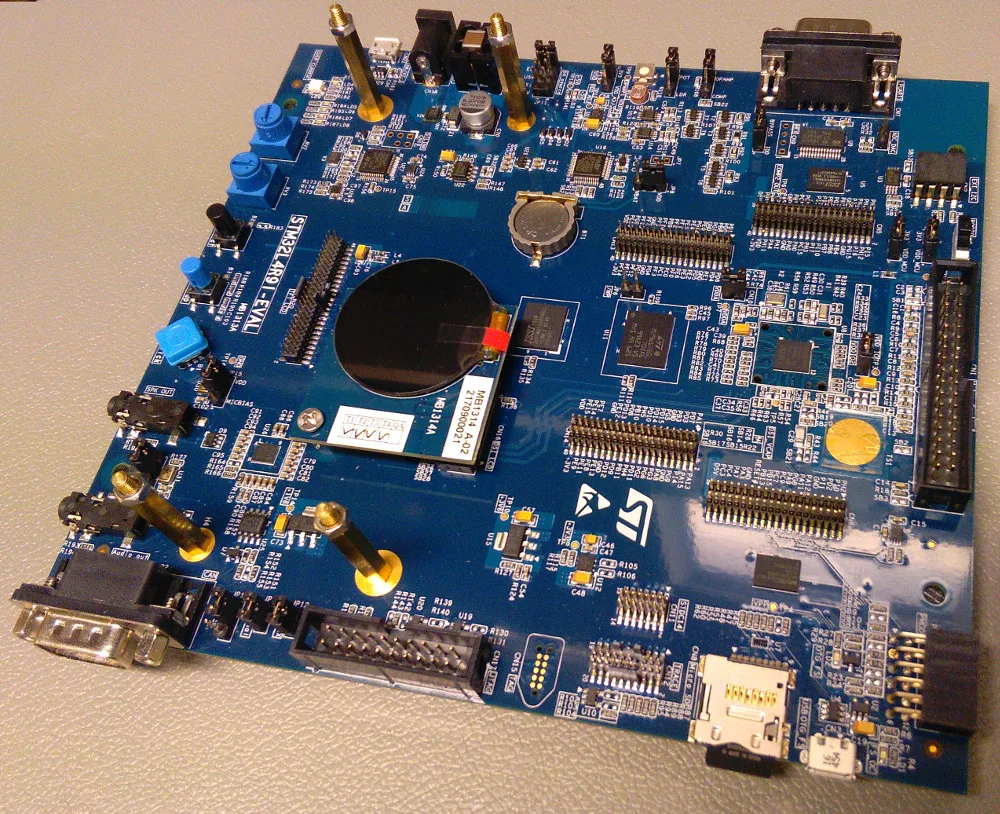
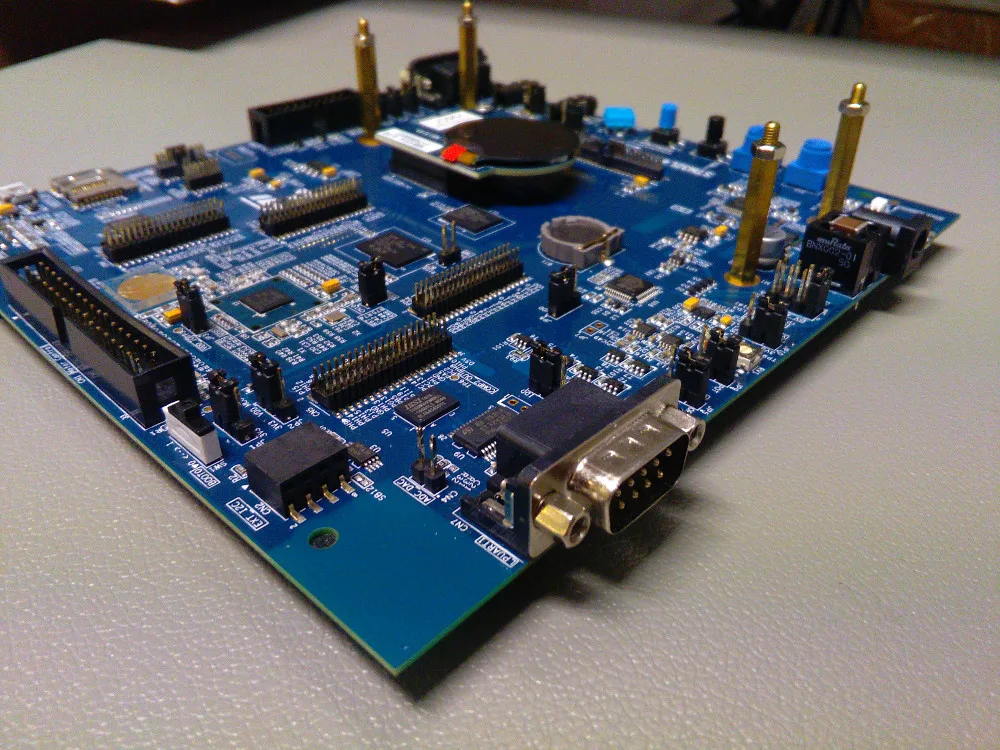
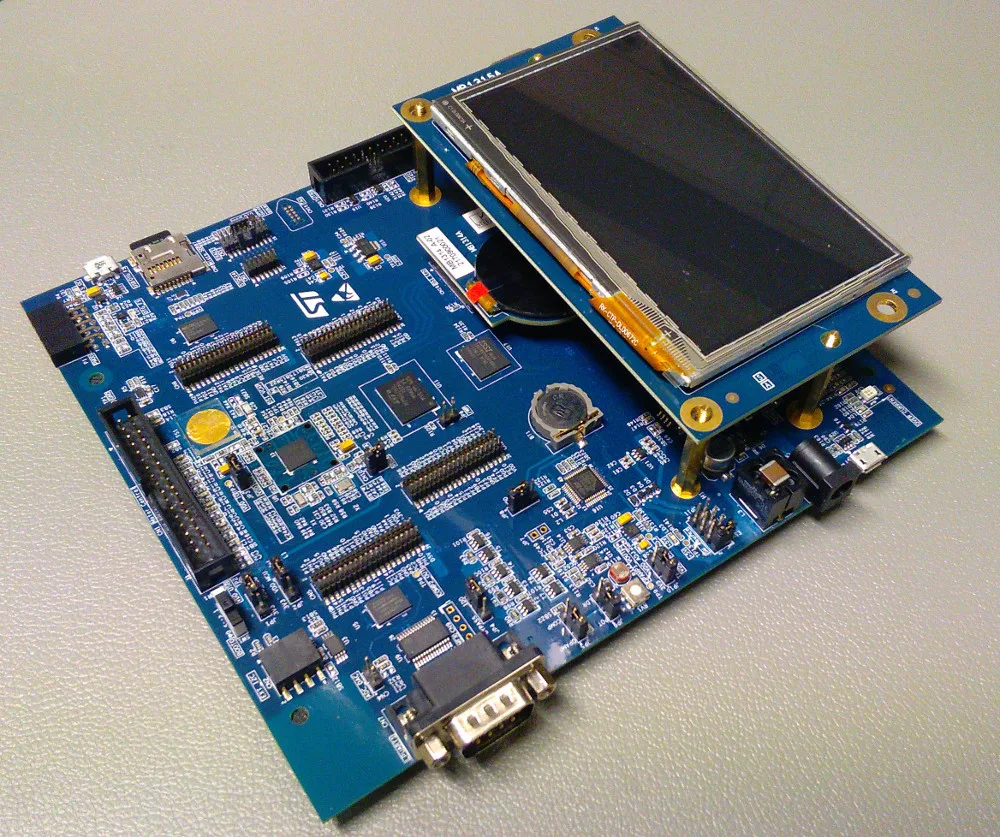
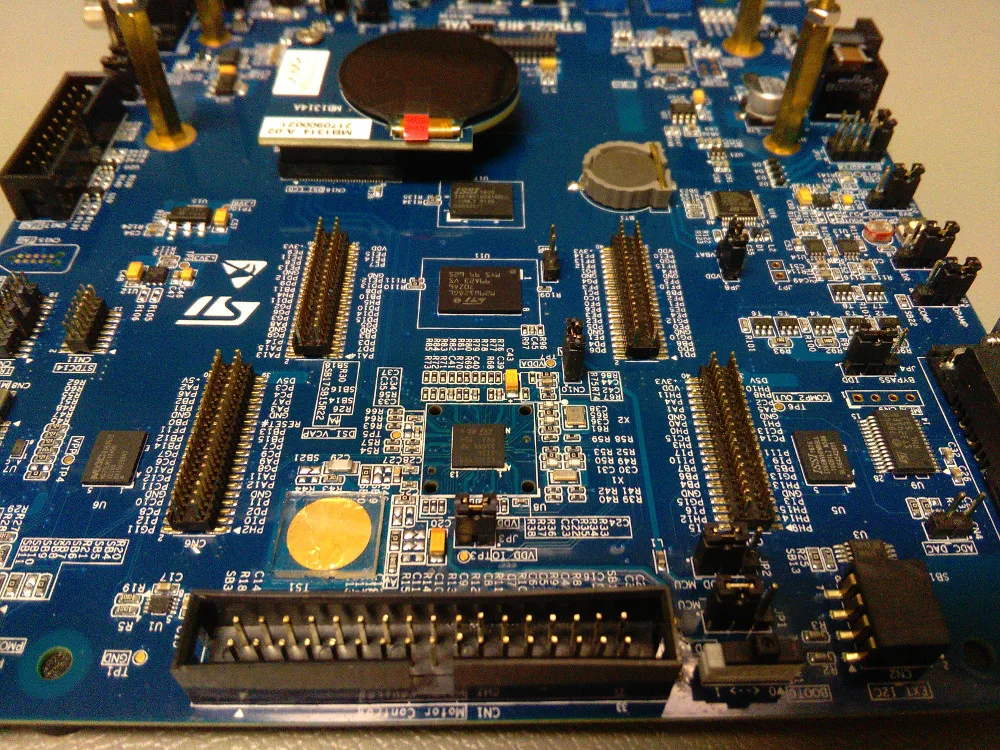
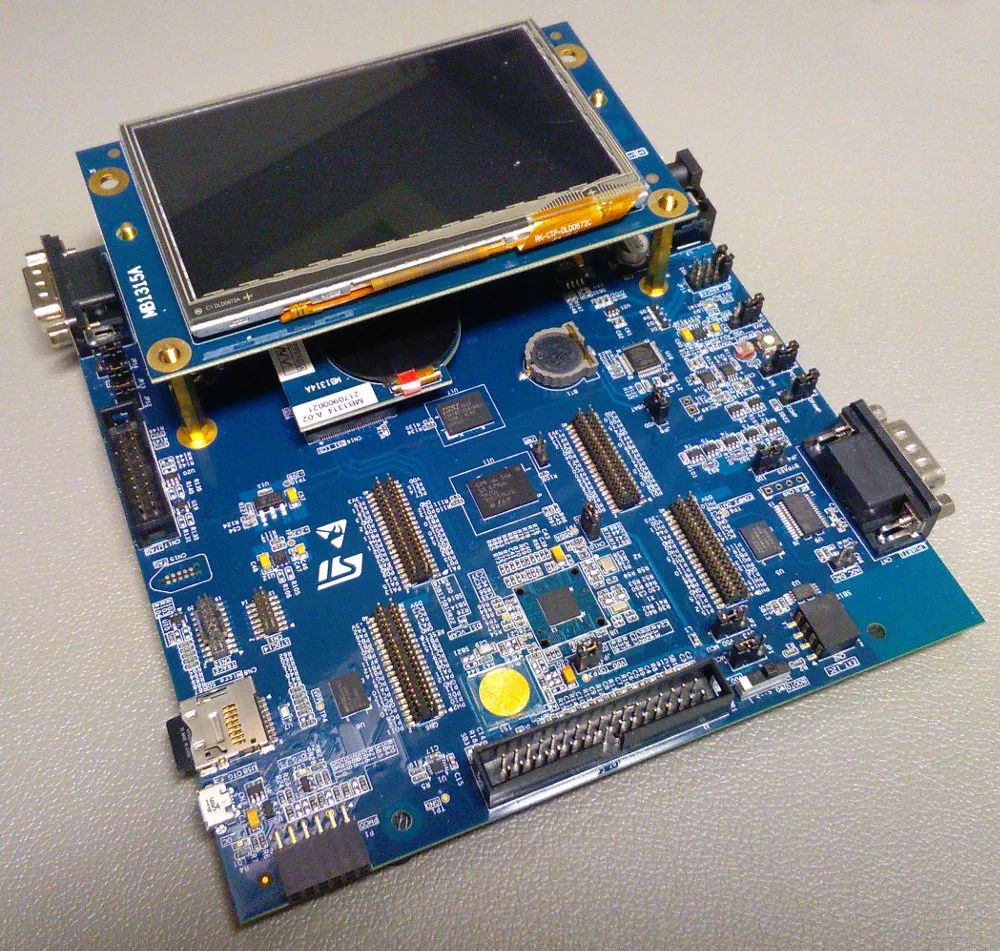
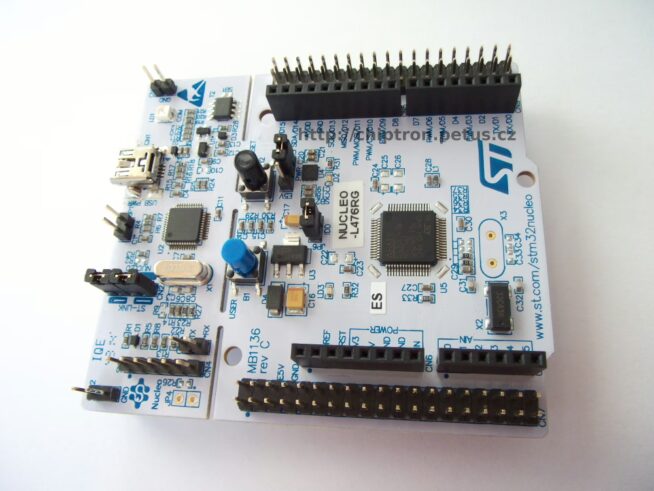
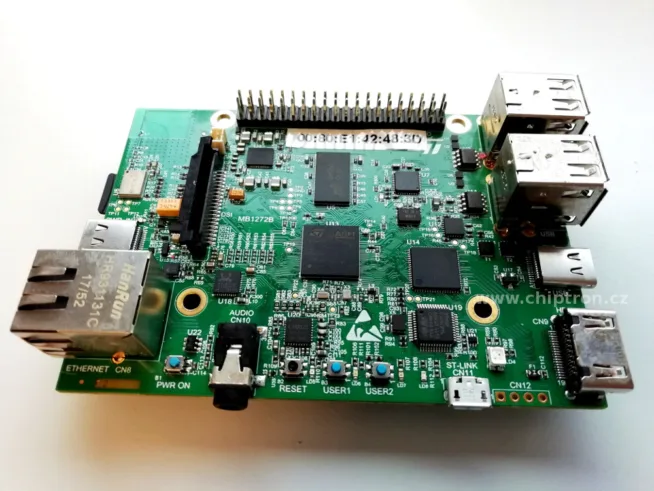
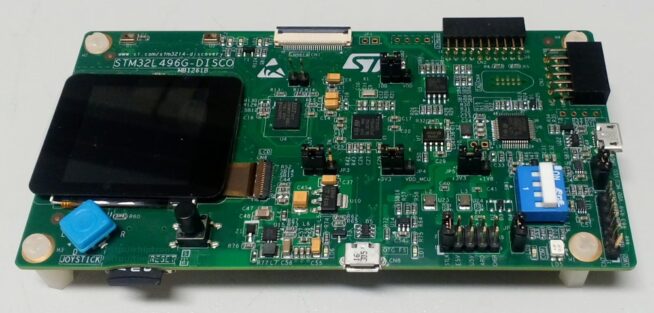
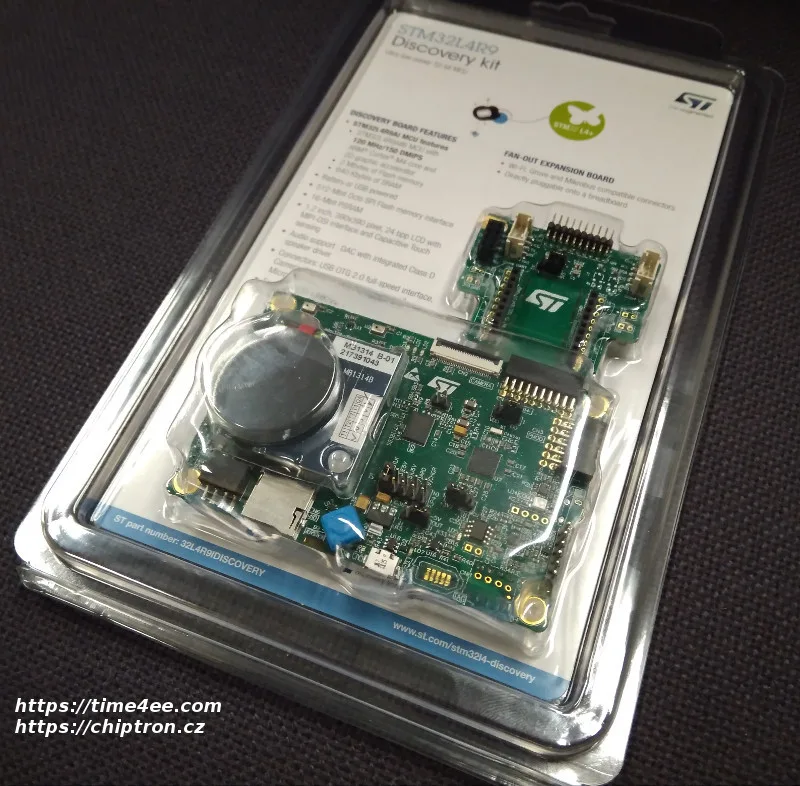
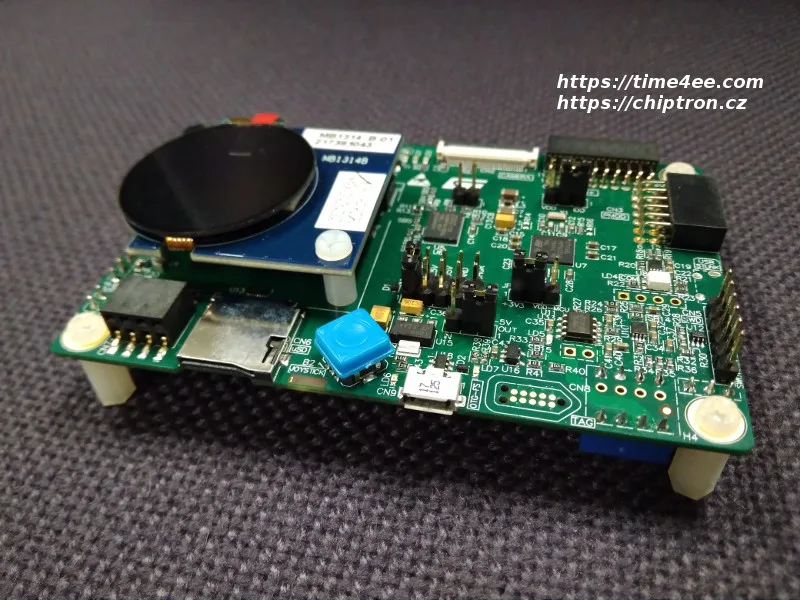
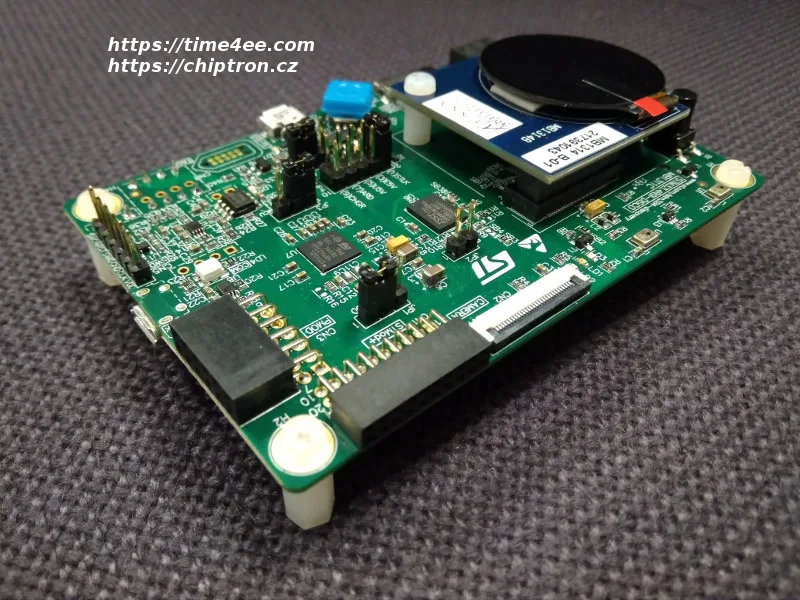
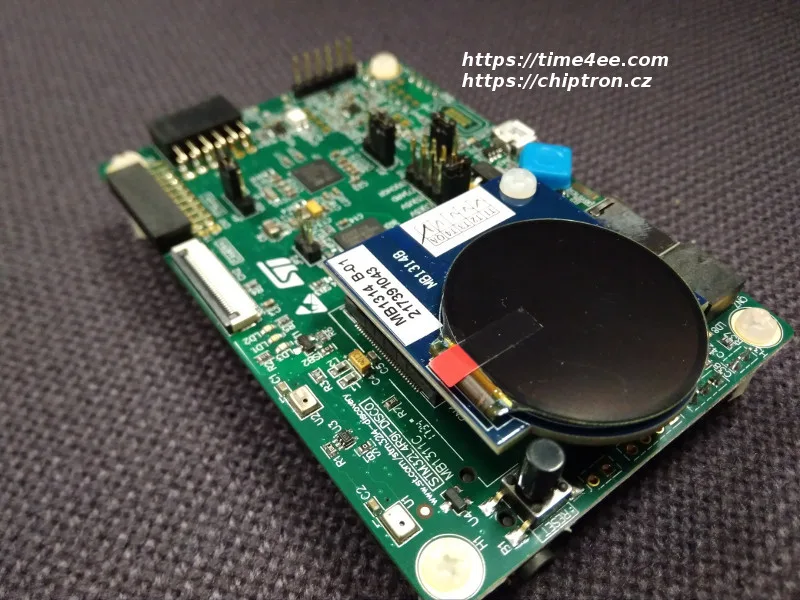
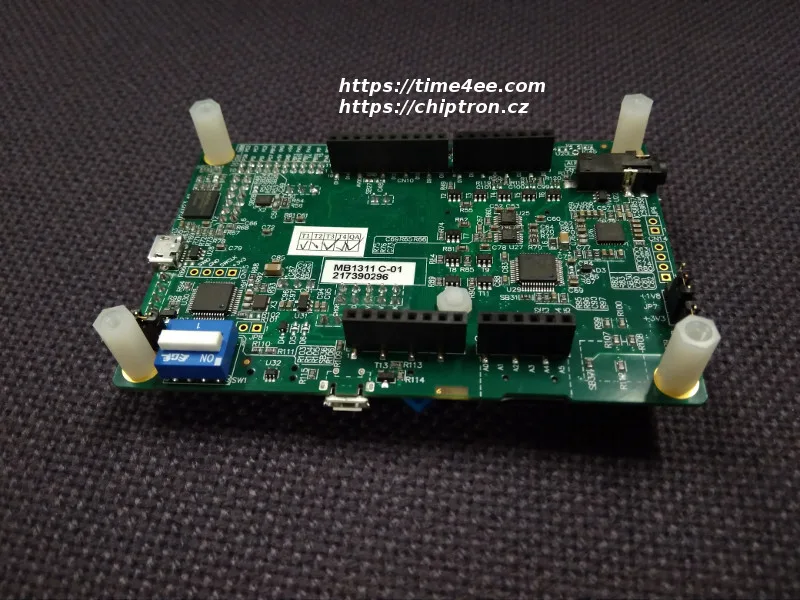
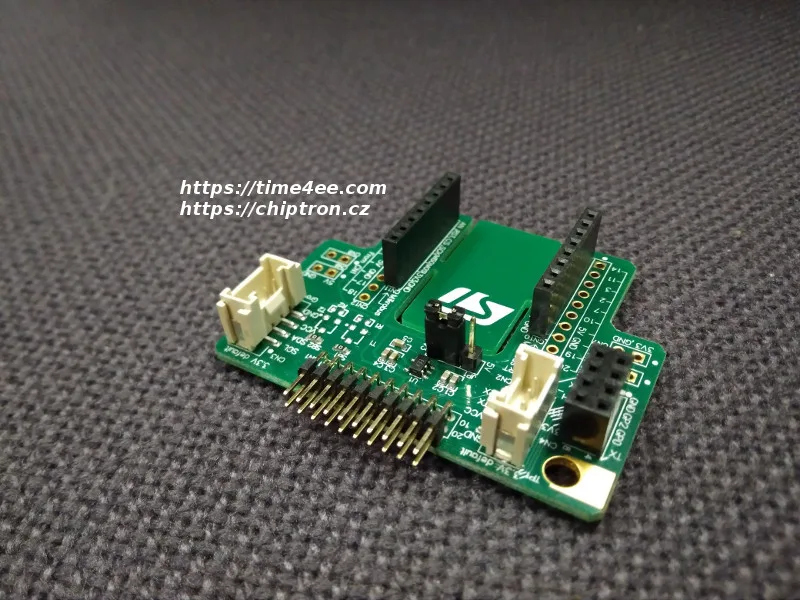
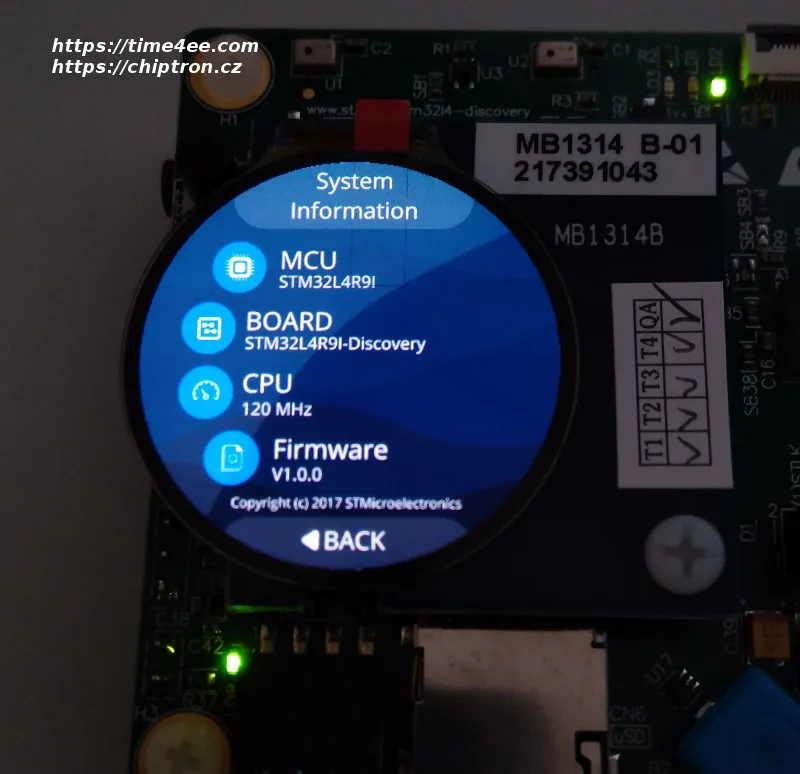
Nucleo 144, Discovery and Eval board will be available on store.
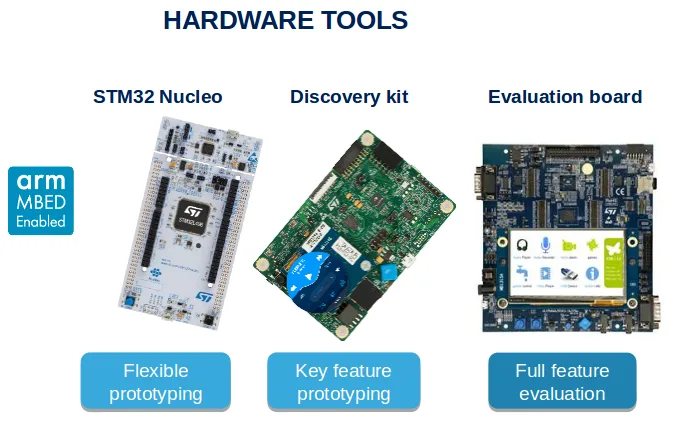
Discovery board:
Eval board: